Flexible Stone(flexible stone) | specifications, series and selection
Flexible Stone (Also Known As)Soft stone) is a type of thin wall decorative material made by compounding natural mineral raw materials with a polymer flexible substrate, and implements the standard JG/T 540-2017 'Building Flexible Stone-faced Decorative Material'The specific thickness, unit area weight, bending conditions, and installation system should be checked according to the model.This page only includes the category of flexible stone.For the number of sub-series and catalog items, see the real-time statistics below.
Catalog scope: Products released, including all subcategories; each product is counted only once. The number of previews and the total quantity of the complete catalog are marked separately; please contact for specific supply status and model information.
Number of category catalogs and selection entry
There are a total of 244 Products information released, including subcategories. The number of catalogues in each subcategory and the complete model entry are as follows, please check the specifications and application range in the product details.
| Category / Series | Published entries (entries) | Selection entry |
|---|---|---|
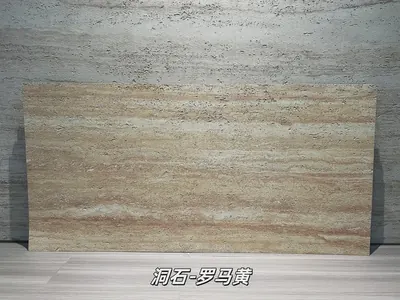
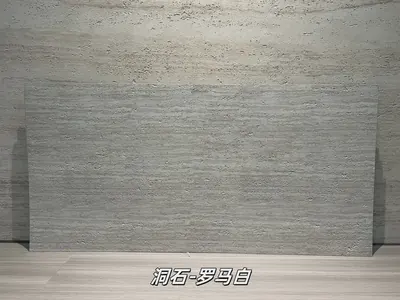
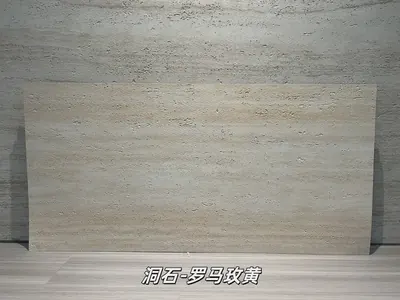
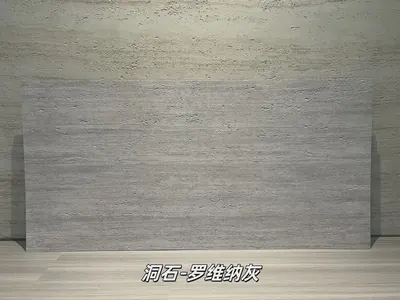
| Hole stone series | 86 | View the model, specification, and complete catalog → |
| Slate and natural mountain stone | 65 | View the model, specification, and complete catalog → |
| 线石与自然肌理 | 25 | View the model, specification, and complete catalog → |
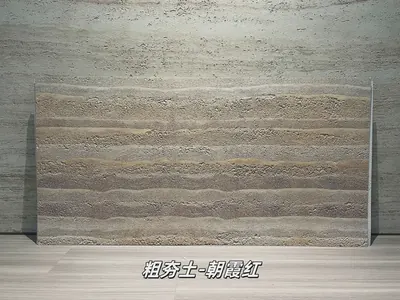
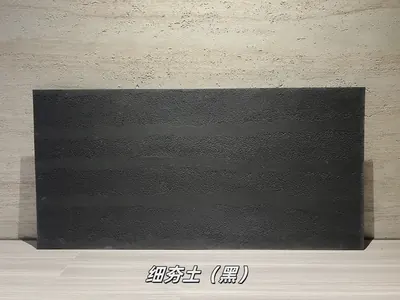
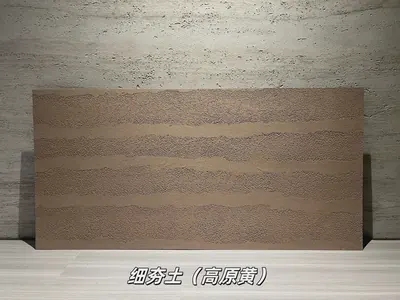
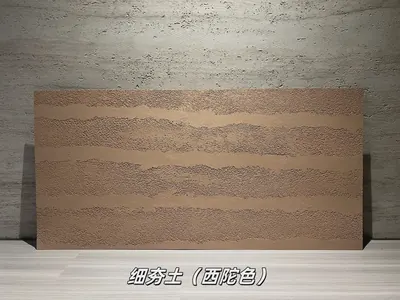
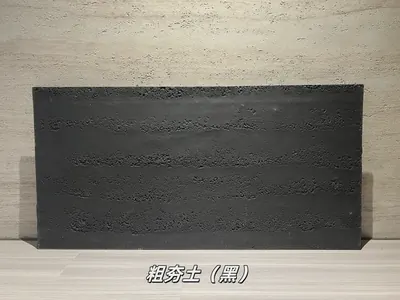
| Rammed earth and cement. | 28 | View the model, specification, and complete catalog → |
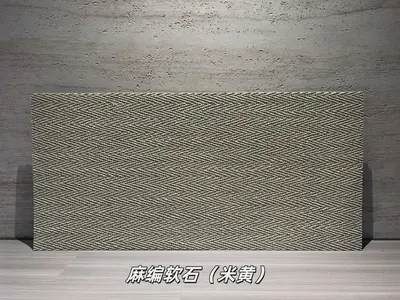
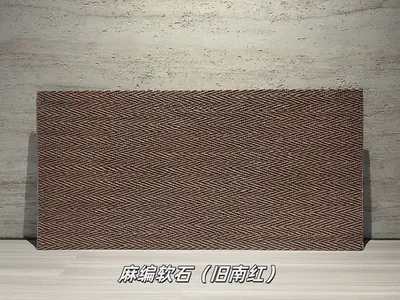
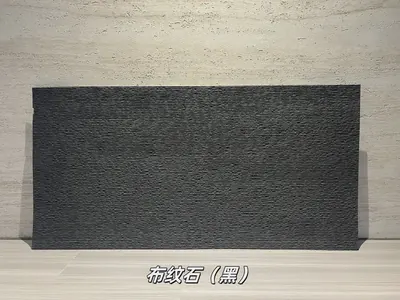
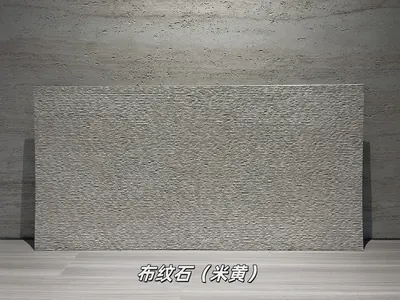
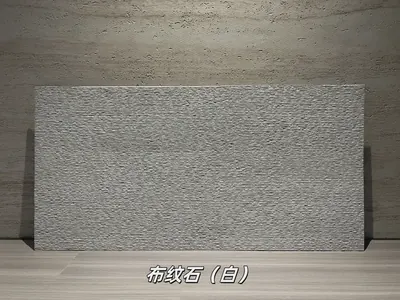
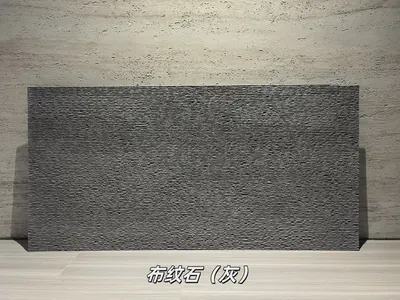
| Fabric texture and weaving | 7 | View the model, specification, and complete catalog → |
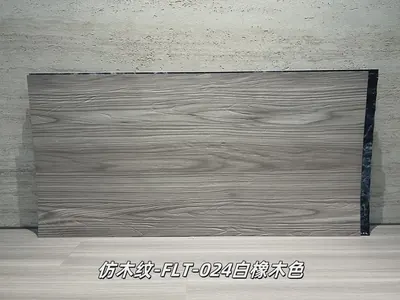
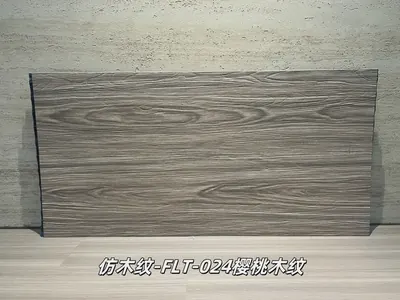
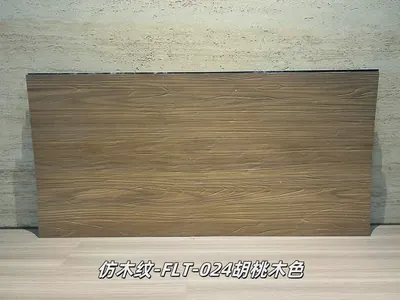
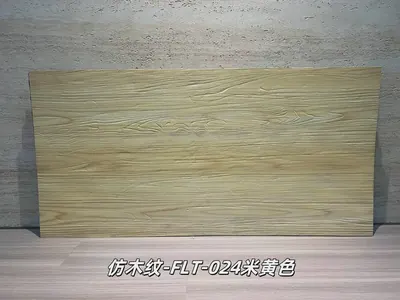
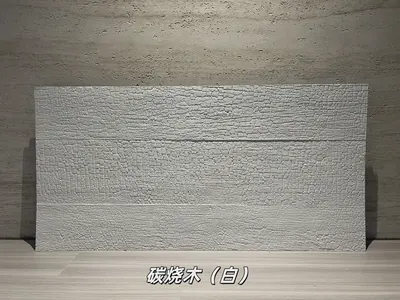
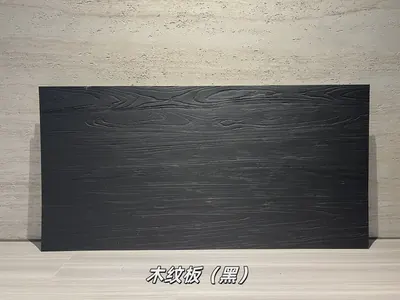
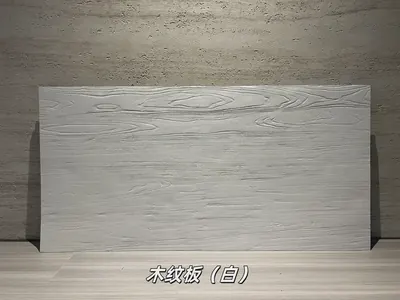
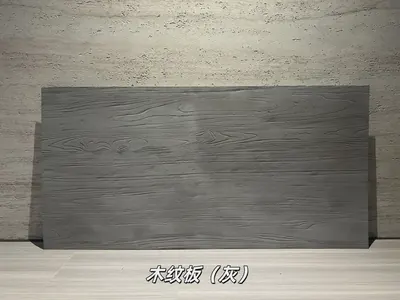
| Wood grain series | 16 | View the model, specification, and complete catalog → |
| 艺术与立体肌理 | 17 | View the model, specification, and complete catalog → |
When the same product appears in multiple categories, the total statistics are de-duplicated; there may be overlaps in cross-category items.Return to the five-category product data overview · Check the certificate and inspection materials
Flexible Stone · Series and Styles
This area only includes「Flexible StoneThe styles under this category do not mix with other categories.
By series
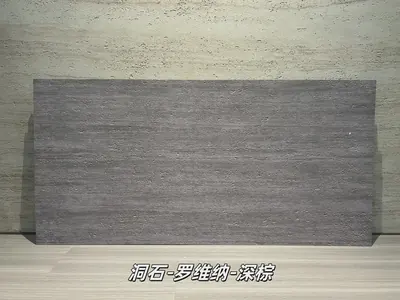
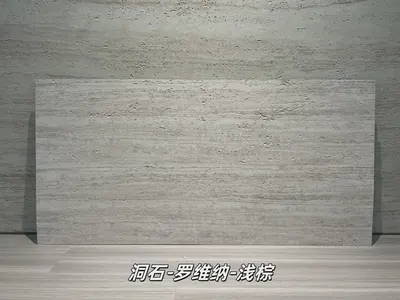
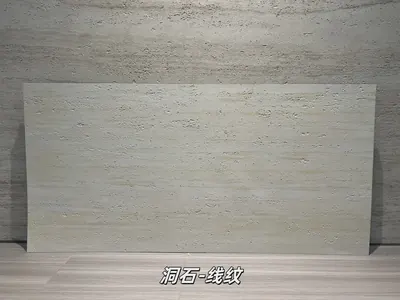
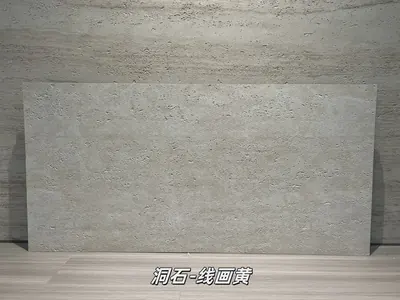
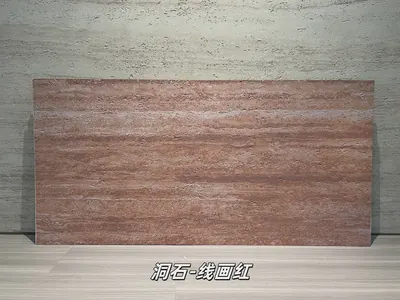
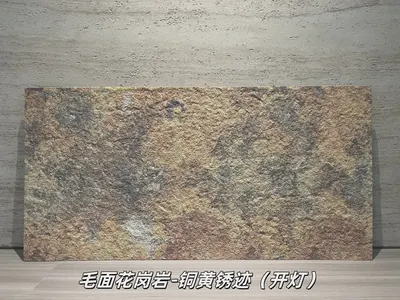
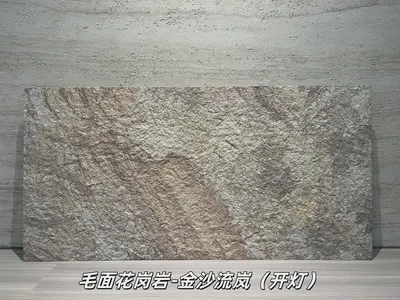
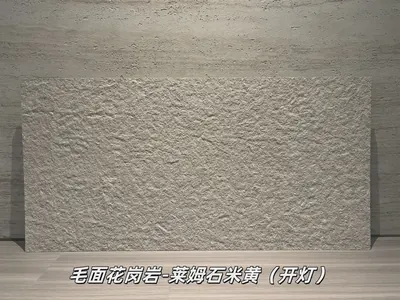
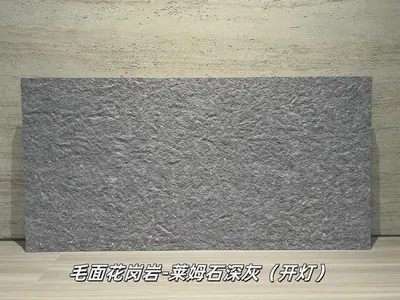
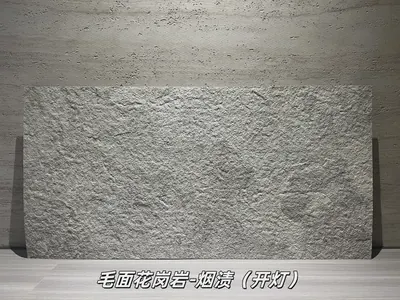
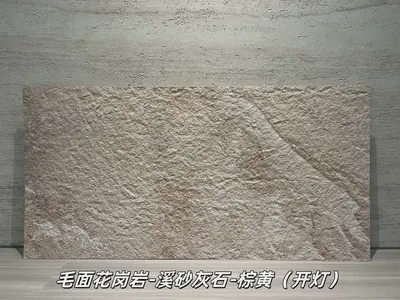
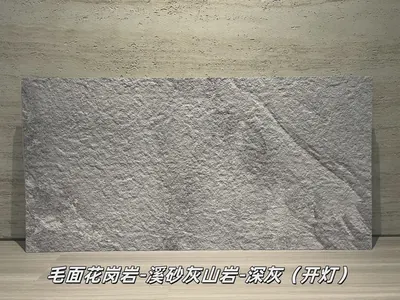
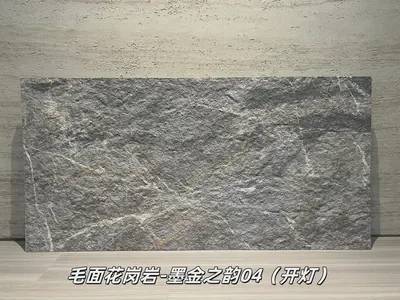
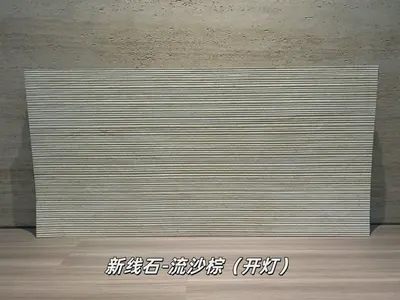
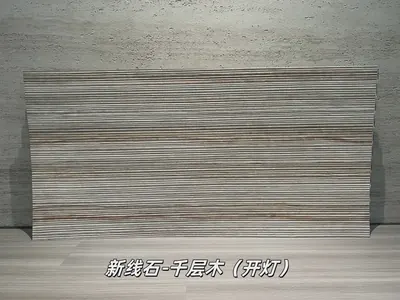
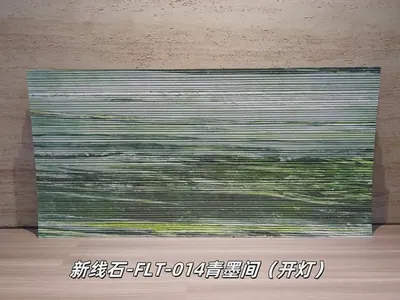
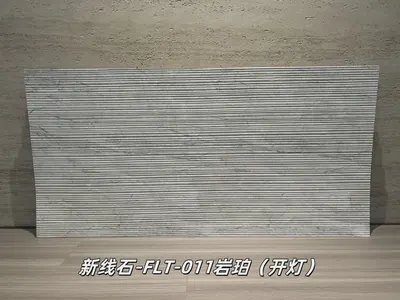
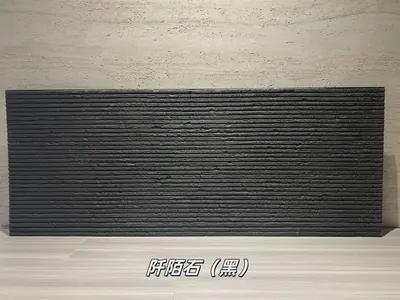
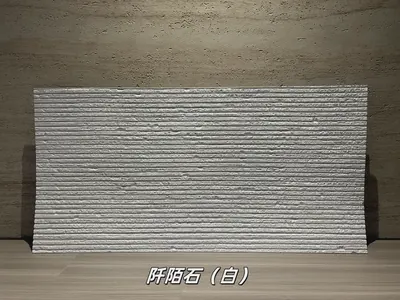
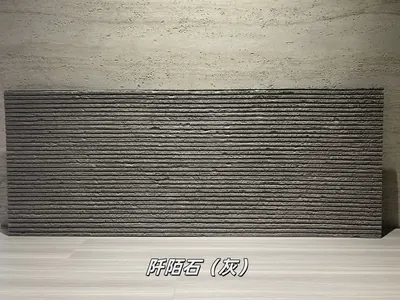
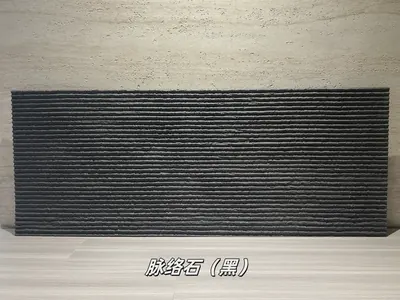
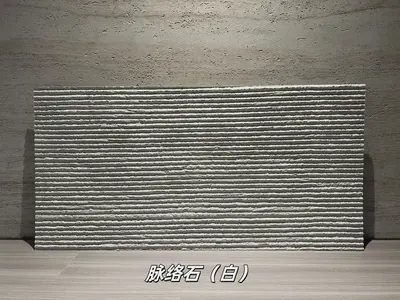
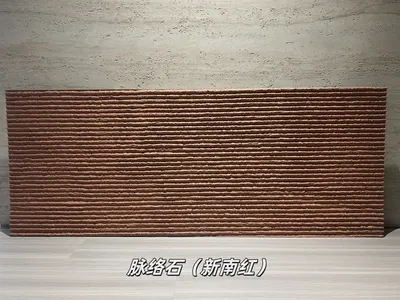
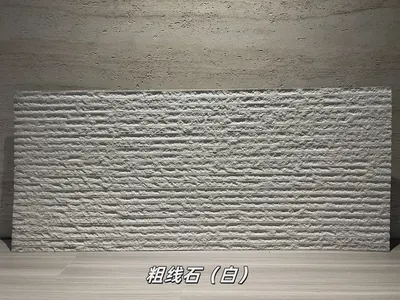
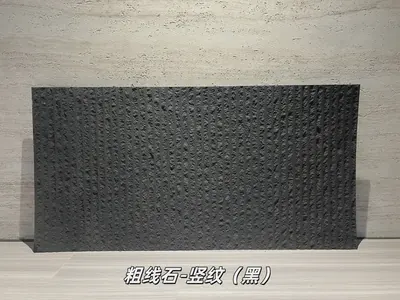
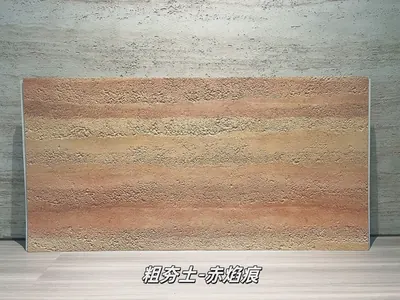
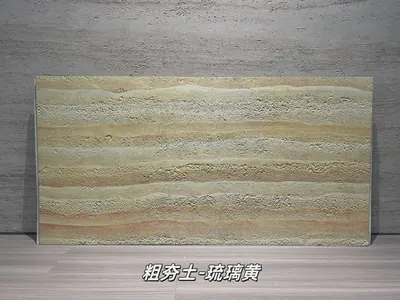
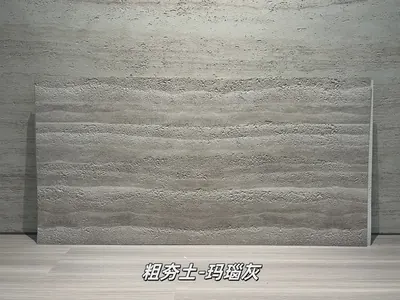
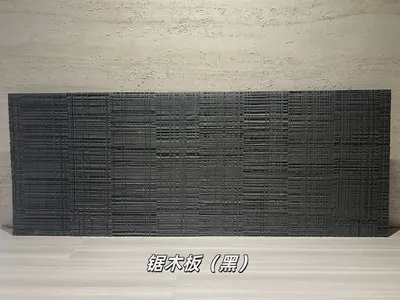
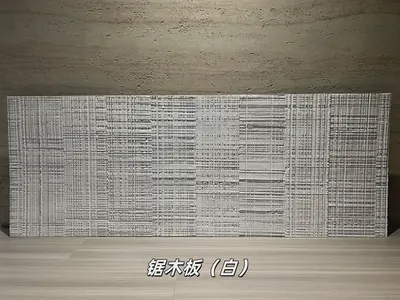
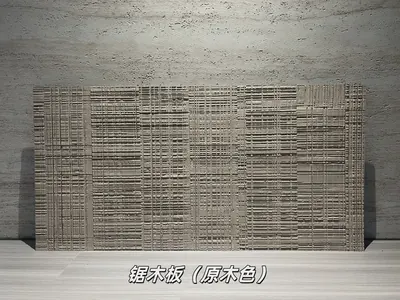
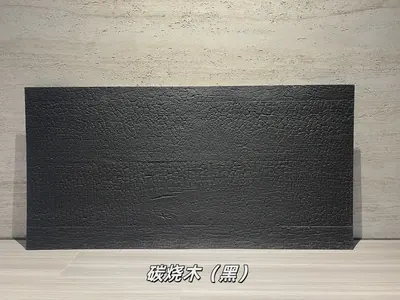
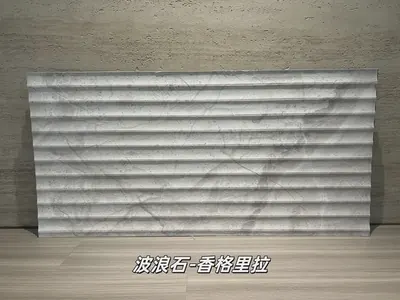
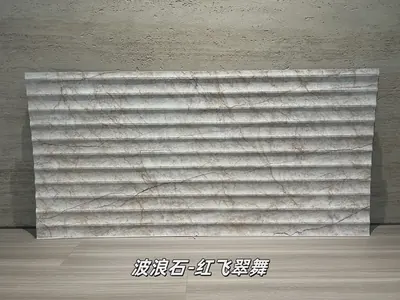
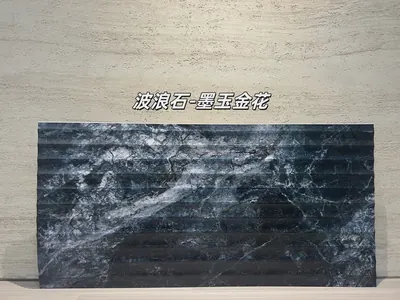
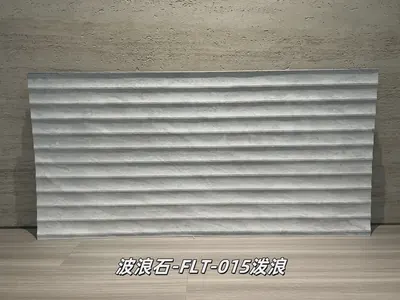
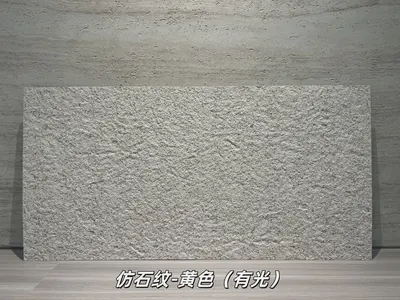
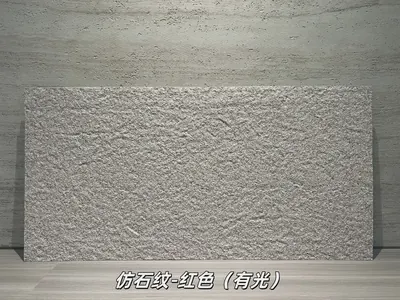
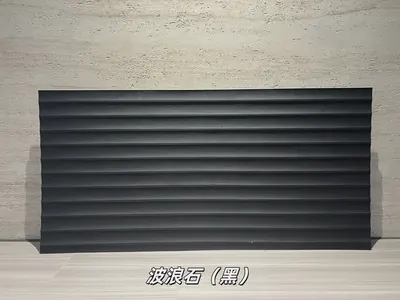
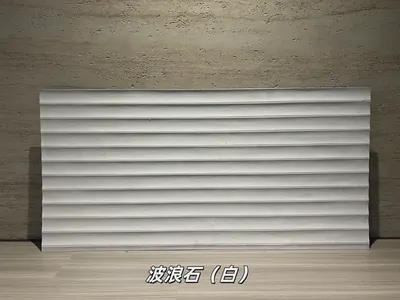
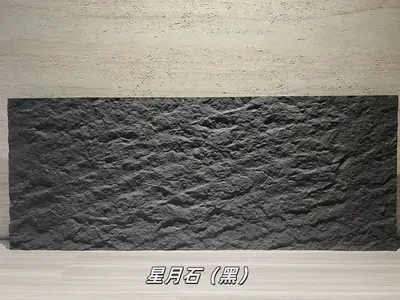
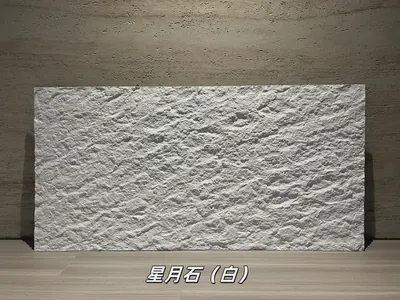
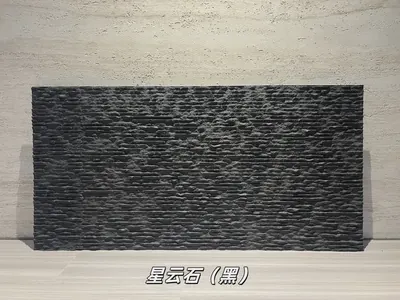
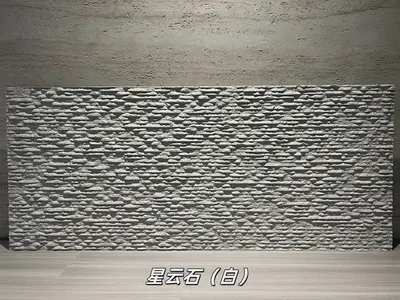
The first 12 styles of each series are displayed, click the series name to view all styles of the series.The content on this page is limited to「Flexible StoneThis categoryand other categories of products are not mixed in.
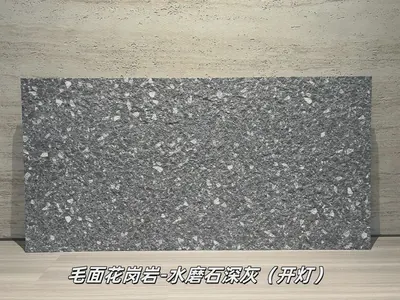
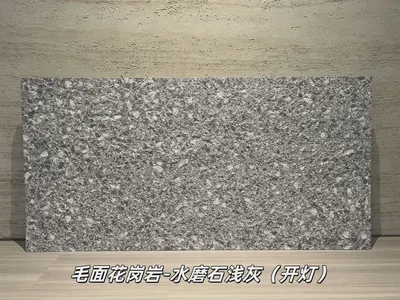
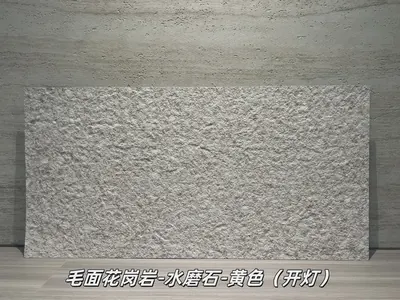
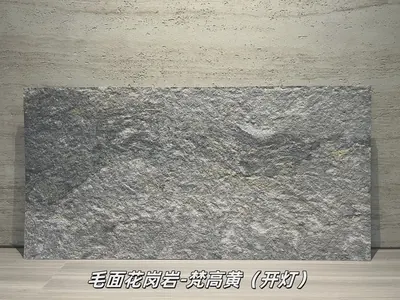
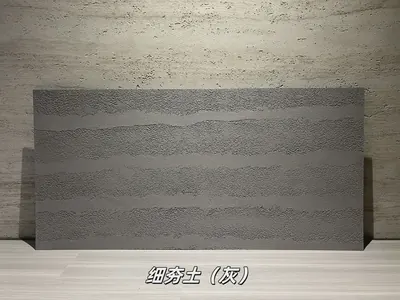
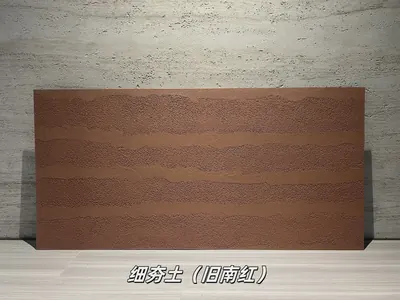
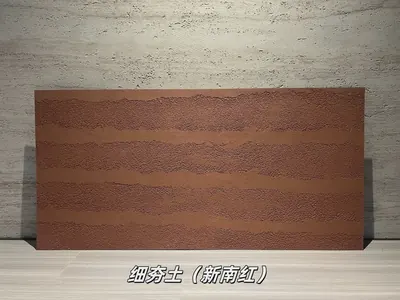
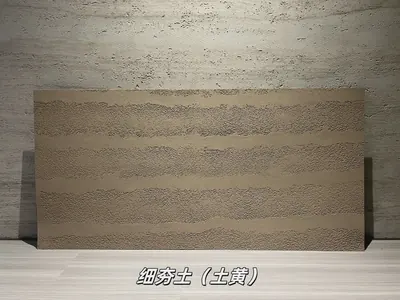
Critical parameter quick check
The table below shows the general parameter range of flexible stone as a type of material. For a specific model, the effective inspection report and order confirmation are to be followed.
| Material category | Flexible artificial stone facing material (also known as soft stone, flexible stone, soft porcelain) |
|---|---|
| Implementation standards | JG/T 540-2017 'Building Flexible Stone-faced Decorative Material' |
| Common specifications | 600×200 mm, 600×1200 mm, 1200×2400 mm, 1200×3000 mm; customizable |
| Common thickness | 2.3–2.8 mm (part of the series 3–6 mm, differentiated by texture and model) |
| Weight | About 3-7 kg/square meter; 600×1200 mm single piece about 2.5-2.8 kg, 1200×3000 mm single piece about 15-15.5 kg |
| Composition of materials | Natural mineral raw materials + polymer flexible base material composite, inorganic ecological material, without using wood base. |
| Environmental performance | No formaldehyde added, no asbestos, no heavy metals |
| Combustion performance | Has flame retardant properties; the specific combustion performance level is based on the effective test report of the selected model. |
| Waterproof and moisture-proof | The material does not absorb water, the wall is not prone to dampness and mildew after construction, and can be used in humid environments and underground spaces |
| weather resistance | Anti-ultraviolet, resistant to high and low temperatures, anti-weathering, can be used for outdoor facades |
| Anti-cracking | Flexible base material can absorb the micro deformation of the base, and the surface is not easy to appear fine cracks |
| Can be bent | The sheet material has certain flexibility and can be bent within a certain radius; the specific radius is determined by the model and base conditions |
| Bonding method | Recommended full-adhesive construction; outdoor use must use weather-resistant adhesive. |
| cleaning and maintenance | The surface is dense and not prone to retaining dirt; for daily cleaning, simply wipe with water or a neutral cleaner |
| Sample specifications | Can provide 20×30 cm physical samples for texture confirmation |
| Not suitable for parts | Not recommended for use as ground covering material. |
What effects do the seven series focus on
Internal arrangement of flexible stoneTexture languageDivided into seven series. When selecting, it is usually determined first series (deciding the space character), and then color (deciding brightness and warmth).
| Series | Published entries (entries) | Texture characteristics | More suitable for what space |
|---|---|---|---|
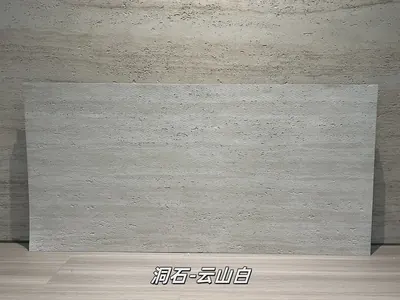
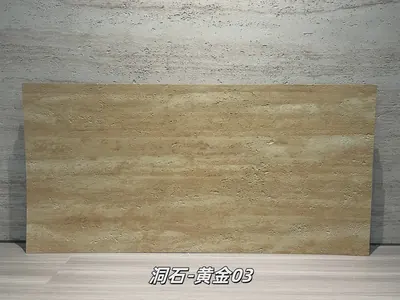
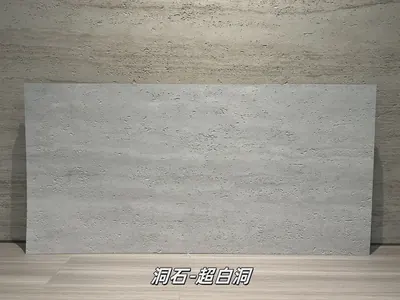
| travertine series | 86 | Holes and horizontal bedding, dominated by warm colors, with strong stereoscopic sense | Hotel lobbies, commercial feature walls, and background walls that need "texture without being busy" |
| Slate and natural mountain stone | 65 | Stratification and fissures, mainly in neutral gray, white, black, low saturation | Low saturation background walls, door headers, and basic walls that need to be long-lasting and look good |
| Line stone and natural texture | 25 | Long linear path, strong vertical rhythm | Vertical division, walls with low height, elevator hall and corridor |
| Rammed earth and cement. | 28 | Soil stratification and cement texture, color control | Inn, catering, rustic and minimalist space |
| Fabric texture and weaving | 7 | Weaving and fabric surface texture, soft touch | bedroom, box, a space that needs 'soft' expression |
| Wood grain series | 16 | Wood grain direction, replacing wood veneer | Harmonizes with wooden furniture in the same color, or parts that need a wood texture but are afraid of dampness |
| art and three-dimensional texture | 17 | Three-dimensional convex and concave with parametric texture, obvious changes in light and shadow | Feature walls, art installations, photo spots, and themed spaces |
Total count of this category 244 Products information released (including subcategories); the preview of some models is above, please enter the corresponding series to view the complete catalogues.
How to choose: Flexible stone and tiles, where is the difference between natural stone
These three types of materials are often compared together. What really determines the selection is not "which one looks better," but ratherCan the subgrade bear the weight, is the shape curved, and can the construction period be compressed?These three things.
| Comparison item | Flexible Stone | Tile / Slab. | Natural stone. |
|---|---|---|---|
| per square meter weight | About 3-7 kg/square meter, light on the subgrade load | It is obviously heavier, usually it is necessary to strengthen the foundation or use special adhesive | The heaviest, most scenes need to be hung dry |
| Curved surface and column | Can be curved within a certain radius, covering the entire surfaceThe seam lines are continuous | Needs to be cut into small pieces and assembled; dense seams and irregular directions | Requires waterjet processing; cost and lead time increase significantly |
| Construction method | No skeleton required, full adhesion after leveling the base | Requires dedicated adhesive; high requirements for jointing workmanship | Mostly suspended, need to use steel frame and embedded |
| Old wall renovation | lighter, can be directly constructed on the original base | Removing the old surface layer involves a large workload | Generally not used for direct renovation of old walls |
| Points to note | Flexible StoneNot recommended to lay.;Ceramic tiles and stone are not good at curved surfaces and special shapes. The three types of materials are complementary, not substitutes. | ||
Three questions can determine the selection direction.
- Is the wall curved or column-shaped?Yes → Prioritize flexible stone; No → Compare weight and construction period.
- Can the subgrade bear the weight of the stone?Cannot (light partition wall, old wall, insulation wall) → Prioritize flexible stone or PU stone skin.
- What kind of atmosphere does the space want?Warm and thick, choose travertine; neutral and calm, choose slate; natural restraint, choose rammed earth cement; choose wood grain series for wood texture.
Construction and acceptance: several things that can be verified on site
The construction logic of flexible stone is different from tiles -No need for studs, no need to remove the old layer in a large areabut substrate leveling and adhesive selection will directly determine the final effect, and these two matters are recommended to be confirmed on site.
| Stage | Verifiable content |
|---|---|
| Construction base | Cement mortar wall, concrete wall, gypsum board wall, light partition wall, thermal insulation wall can all be used; The old tile surface can also be covered directly |
| Substrate treatment | Requires leveling first; repair areas with insufficient flatness first to avoid shadows and hollowing of the finish caused by substrate undulation |
| Bonding method | RecommendedFull adhesion method;Adhesives are selected according to product instructions,Outdoor use of weather-resistant adhesive is required |
| Applicable areas | There are corresponding methods for flat, curved, columnar, irregular curtain walls, old walls, and thermal insulation walls. |
| Miter and gap retention | Perform according to the product description and project node diagram; the position of the joint on the curved surface should avoid the main line of sight. |
| Acceptance Basis | Based on the selected model'sValid inspection report + Supply contract stipulations + Standards of the project location shall prevail |
Frequently asked questions about flexible stone
What is the material of flexible stone?
It is a kindFlexible artificial stone facing materialCommonly known as soft stone or soft ceramic, the applicable standard is JG/T 540-2017. The substrate is made by compositing natural mineral raw materials with a polymer flexible base material, with no wood substrate used, so there is no risk of formaldehyde release; the surface is embossed or printed according to the pattern to present the visual appearance of natural stone.
Can it be used on the ground?
not recommended. The positioning of flexible stone is architectural wall decorative material, used on the ground will face wear resistance and pressure problems. The ground material is recommended to choose tiles, slabs or stone.
Can the curved wall and cylinder be wrapped in one piece?
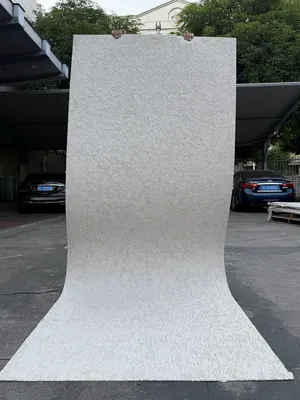
Can. The material itself has flexibility and can be bent within a certain radius, therefore it can achieve cylinders, arched walls, arches and irregular angles.Whole piece covering, continuous stitchingThis is precisely its most direct advantage over ceramic tiles and natural stone. The specific usable radius depends on the selected model, thickness, and substrate conditions; it is recommended to use a physical sample to test bending at the corresponding curvature for confirmation.
Can it be used outdoors? How is the weather resistance?
Can it be used for outdoor facades. The material has anti-ultraviolet, high and low temperature resistance, and weather resistance, and outdoor construction needs to use weather-resistant adhesive.weather-resistant adhesiveExterior walls and urban renewal projects are one of its common applications.
What is the level of flammability?
Material possessesFlame retardant performanceSpecific combustion performance ratingThe effective inspection report of the selected model shall be in accordance with.If a level needs to be specified (such as rooms, emergency evacuation routes, etc., which have clear fire prevention requirements), please specify it before placing an order, and we will provide the inspection report for the corresponding model.
How to confirm the texture and color?
It is recommended to apply.20×30 cm physical sample. The texture on the screen differs significantly from the actual object, especially for stone-like materials, which have different perceptions under different lighting and angles. It is most reliable to determine the color number after comparing the actual object.
Typical application scenarios
- Hotels and B&BsLobby main walls, corridors, guest room feature walls; the travertine and rammed earth series best convey texture.
- Food & Beverage and Commercial Stores:Entrance headers, bar counters, cashier areas; the slate and line stone series are durable and do not distract from the merchandise.
- Exhibition hall and officeReception backgrounds and zoned walls; the vertical orientation of the Line Stone series can enhance the sense of ceiling height.
- Curved surface and columnCylinders, arches, special-shaped corners, full-piece cladding without dense seams.
- Exterior renovation and urban renovation:Light dead weight, low burden on the original substrate structure, UV resistance and weather resistance meet the requirements for outdoor facade use.
Not sure which color to choose?
Apply for 20×30cm physical samples, and determine the final material selection after comparing with the project lighting and adjacent materials on the site.