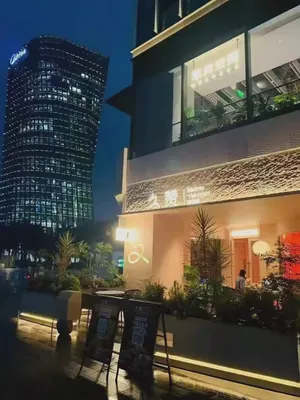
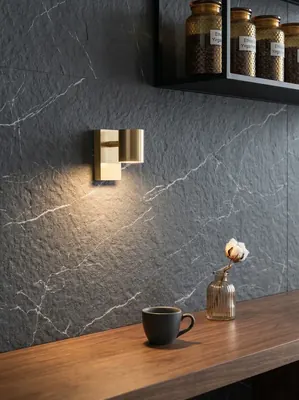
Material actual shooting
Include the actual shooting collection of IGOODS materials, putting the same material's performance under different spaces and lightings together, covering close-up textures, joints and closing nodes, and the way of junction with adjacent materials. The page also explains the applicable and non-applicable parts of the material, and lists the parameters for verification: product performance according to JG/T 540-2017, thickness commonly 2.3–9 mm, single square meter self-weight about 3–7 kg/㎡, and combustion performance according to GB 8624-2012 classification.
The following cases come from actual engineering projects of IGOODS, which can be cross-referenced with product details and material selection guides.
- Cases implemented
- 9each
- Covered city
- 8each
- Involved part
- close-up texture, joint sealing, adjacent material junction
- Check items on this page
- 6Item ·6Item basis
Case index
The table lists the cases of this type by project, city, main materials and construction area, which is convenient for quick positioning by scale and material. The case detail page contains complete material selection basis and construction records.
| Case | City | Main material. | Construction area |
|---|---|---|---|
| Printed rough granite-soft stone | — | — | — |
| Printed soft stone antique bronze | Langzhong City | Bamboo weaving soft stone (antique bronze) | 520 square meters |
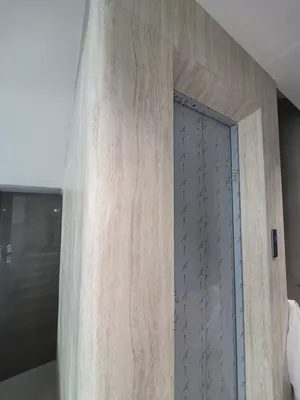
| Soft stone wood grain | Shapingba District | Wood grain board (light gray wood grain) | 1240 sqm |
| Real case of ridge line stone wall | Shenzhen | New Line Stone (Grey) | 90 ㎡ |
| Staircase background wall · Actual photos of printed travertine | Xiangyang | travertine (printed travertine) | 120 square meters |
| Actual photos of fabric-textured stone wall | Wuxi | Cloth-textured stone (Grey) | 80 ㎡ |
| Actual photos of star cloud stone wall | Shanghai City | Star Cloud Stone (White) | 90 ㎡ |
| Black Mountain Rock Background Wall Real Shooting Case | Jinan City | Black Mountain Rock (Black) | 100 ㎡ |
| Star Moon Stone Gate Head · Background Wall Real Shooting Case | Hangzhou City | Xingyueshi (light color) | 110 square meters |
When viewing these cases, it is recommended to check these 6 items.
Every item comes from a place where a problem has occurred in an actual project. The order of checking is also very important - the judgment of the base and shape comes first, followed by the color.
- The close-up view should be able to show the texture and light reaction
The same material performs differently under oblique light and direct light: oblique light produces light and dark, and direct light is flat. The actual shooting should cover both conditions, so that material selection can be judged accurately. - The treatment method of joints and seams should be visible
The width of the seam, the edge piece, and the corner treatment are what the material selection party cares about most and most easily steps into pitfalls with, and the actual shooting should cover these nodes. - There should be an explanation of color difference and batch variation
Natural texture materials have batch variations, and actual shooting and explanations can allow the project party to make mixed layout preparations in advance. - The junction with adjacent materials
The junction methods of common wood facing, metal, and glass joints in actual shooting directly affect the completion degree of the facade. - Both applicable and not applicable should be discussed
The same material has good and bad places. Both sides should be written clearly on the actual shooting page to avoid misuse and rework. - The material parameters should match the product files
The material name, thickness and specifications on the actual shooting page must be consistent with the product archive on the site, to avoid having two sets of parameters for the same material.
Key indicators and acceptance criteria
The table lists the indicators, reference values and basis that can be checked for the type of this project.★Project experienceIt indicates the range of common practices in the industry and is not used as a reference for national standard data; those with standard numbers can be directly verified.
| Project | Reference value / Practice | Based on |
|---|---|---|
| Material specifications | The product archive on the site is the standard (divided by specifications according to model) | Product archives within the scope of JG/T 540-2017 'Flexible Artificial Stone Facing Materials for Construction' |
| self-weight per square meter | Flexible stone about 3-7 kg/㎡; PU stone skin is a polyurethane lightweight structure | On-site product archives (by model) |
| thickness | Flexible stone is common 2.3–9 mm | On-site product archives (by model) |
| Combustion performance | Graded according to GB 8624-2012, the grade is based on the detection report of the selected model | GB 8624-2012 Classification of Combustion Performance of Building Materials and Products |
| Environmental protection | No formaldehyde added, no asbestos | On-site product archive (inspection report can be provided with the goods) |
| Water absorption and moisture resistance | Not absorbent, the wall after construction is not easy to damp or mildew | Product archive on the site |
Common questions (FAQ) about material actual shooting
The following are the most frequently asked questions in the design and procurement stages of this type of project
Will there be a difference between the actual shooting image and the physical object?
There will be, mainly from the screen and light. The actual photos can reflect the texture direction, joint relationship and overall color tone, but the exact color number must be seen on the physical sample - it is recommended to compare under actual lighting conditions.
Why do several pictures of the same material have different colors?
Mostly due to different light conditions: natural light is cool, warm light is warm, and the performance of the same material under two different environments is naturally different. This is also the reason why material selection must be based on on-site lighting.
About how wide are the seams? Can they be made without any seams?
Flexible materials can be used for large-area laying, and the seams are very fine, but completely seamless is not realistic. The width of the seam and the arrangement method are determined in the design stage, and it can be done with clear seams or colored strips.
Where can the material be used, and where can it not be used?
Wall, column wrapping, ceiling and cabinet surface decoration can all be used; it is not recommended to do ground laying, and outdoor parts must use weather-resistant methods. Specific confirmation is required based on product files and on-site conditions.
How do I determine if a material is suitable for my project?
Three steps: first, check if the base condition can be stuck, then see if the shape (whether there is a curved surface or abnormal shape) can be done, and finally see if the color can be formed under the actual lighting. The order should not be reversed.
Can you provide a sample?
Yes, we can provide a 20x30cm physical sample for design material selection and color confirmation.
Related pages and requests
Engineering case overview·Product Center·Selection Guide·Qualification certificates and inspection reports
Diameter specification:The indicators listed on this page include★Project experienceThis is a common practice range in the industry, used for estimation and self-check, not as a national standard data reference; those with standard numbers are standard files that can be verified. Material parameters are confirmed according to product archives and orders, and combustion performance and environmental grade are based on the effective inspection report of the selected model.
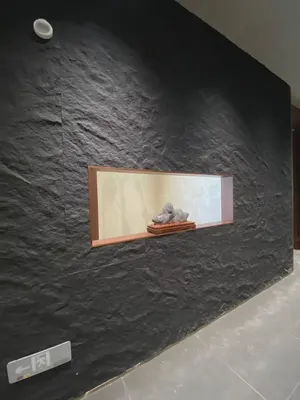
Commercial space (material actual photo) 100㎡ black mountain rock (black) wall construction case
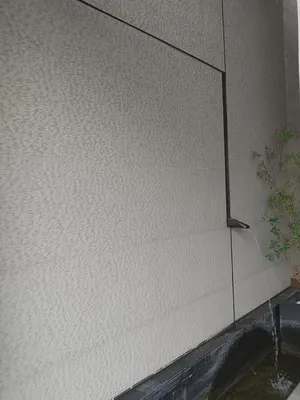
Commercial space (material actual photo) 90㎡ nebula stone (white) wall construction case
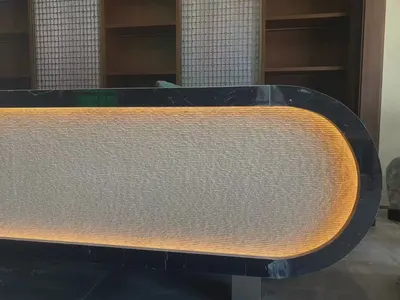
Commercial space (material actual photo) 80㎡ woven-texture stone (gray) wall construction case
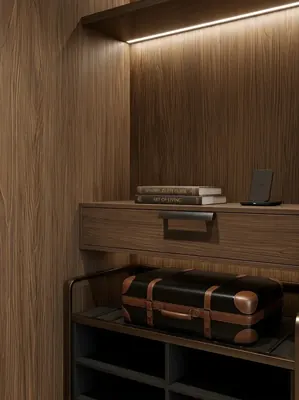
Hotel guest rooms and office spaces 1240㎡ wood grain board (light gray wood grain) wall construction case
Stair background wall (actual material photo), 120㎡ travertine (printed travertine) wall construction case
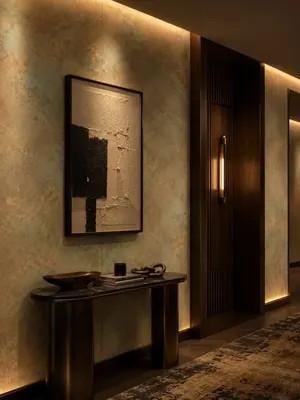
Corporate reception and office space 520㎡ woven hemp flexible stone (vintage bronze) wall construction case
Commercial space (material actual photo) 90㎡ new-line stone (gray) wall construction case