Apparel Retail
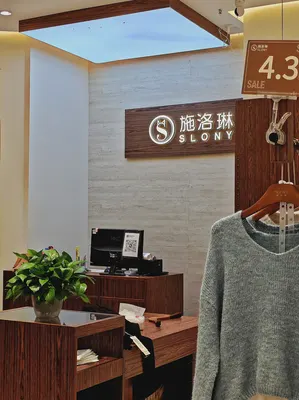
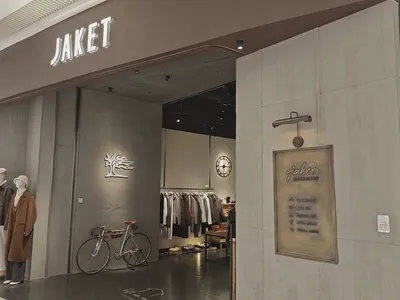
Includes the落地 cases of AIGoods IGOODS in apparel retail stores,细分 by entrance and background walls. The page explains the core requirements of the apparel retail wall,「Retreat to the background」—low reflection, low saturation, not competing for attention with products; and provides verifiable control points: the flatness of the base layer is ≤3mm gap with a 2m ruler, the board surface does not warp or change color under long-term lighting of spotlights, the rod and the fixed piece of the layer board pass through the base layer to avoid the board gap, and the combustion performance is graded according to GB 8624-2012.
The following cases come from actual engineering projects of IGOODS, which can be cross-referenced with product details and material selection guides.
- Cases implemented
- 10each
- Covered city
- 10each
- Involved part
- Shopfront, background wall
- Check items on this page
- 7Item ·6Item basis
Case index
The table lists the cases of this type by project, city, main materials and construction area, which is convenient for quick positioning by scale and material. The case detail page contains complete material selection basis and construction records.
When looking at such cases, it is recommended to check these 7 items
Every item comes from a place where a problem has occurred in an actual project. The order of checking is also very important - the judgment of the base and shape comes first, followed by the color.
- The background wall should complement the products, not steal the show
The background wall of the clothing store is behind the display and models. The higher the reflection, the more likely it is to compete with the products. Materials with low reflection and low saturation are more reliable. - Long-term illumination of spotlights, materials cannot deform
The density of spotlights in clothing stores is higher than that of other businesses, and the length of illumination affects the long-term flatness of the facade directly. - The display system needs to be fixed at a point
The clothing rod, shelf, and track light must be fixed to the wall. Mark the fixed points during layout, pass the board into the substrate, and avoid falling into the board gap. - The store has a limited ceiling height, and vertical textures are the most convenient.
Most clothing stores have a limited net height, and vertical textures are the most direct means of visual height increase, and the cost is also lower than changing the ceiling. - Customers will observe the material closely
Trying on and selecting clothing occur next to the wall, and the texture's feel can be seen: from a distance, there should be a base color, and up close, there should be details. - Don't want to damage the wall when adjusting the display for the change of seasons
The display position of the background wall changes with the seasons, and it is more convenient to reserve conditions for replacement than to redo the entire wall. - The storefront determines the entrance rate
The decision to enter a clothing retail store occurs within three seconds at the entrance, the texture of the material and the coordination of lighting directly determine the entry rate; the storefront is also part of the semi-outdoor interface.
Key indicators and acceptance criteria
The table lists the indicators, reference values and basis that can be checked for the type of this project.★Project experienceIt indicates the range of common practices in the industry and is not used as a reference for national standard data; those with standard numbers can be directly verified.
| Project | Reference value / Practice | Based on |
|---|---|---|
| Substrate flatness | 2m Rule inspection, gaps ≤3mm | ★Engineering Experience; Can be compared with GB 50210-2018 for allowable deviation in the installation of decorative panels |
| Background wall reflection | Prefer matte low-reflective surfaces to avoid competing for attention with the products | ★Project experience |
| Lamp tolerance | The panel does not warp or change color under long-term exposure | ★Engineering Experience; The product's heat resistance data is taken as a standard |
| Fixed point | The hanger rod and the fixed piece of the shelf pass through the plate into the substrate, avoiding the panel gap | ★Project experience |
| Combustion performance | Graded according to GB 8624-2012, the grade is based on the detection report of the selected model | GB 8624-2012 Classification of Combustion Performance of Building Materials and Products |
| Indoor environmental pollution | Commercial buildings are controlled according to Class II civil buildings | GB 50325-2020 Indoor Environmental Pollution Control Standard for Civil Engineering Construction |
Common problems in clothing retail (FAQ)
The following are the most frequently asked questions in the design and procurement stages of this type of project
Why can't the bright material be used for the background wall of a clothing store?
The glossy surface forms a reflective spot under spotlights, directly competing for the customer's attention with the product, and it will divert the customer's attention to the wall instead of the clothing. The matte surface scatters the light, pushing the background back and highlighting the product.
Will the hanger rod fixed on the wall damage the board?
There is no problem if the fixing part goes through the board into the substrate. The key is to mark the position of the rod and the layer board during the layout stage, avoid the board joints, and do not land exactly on the edge of the board.
Will the wall change color if the spotlight is on for a long time?
It depends on the surface layer of the material. Laminated or co-extruded surfaces are more stable under long-term exposure; when selecting materials, confirm the product's heat resistance and yellowing data, not just the display effect in the show room.
How can I make the room look taller with lower ceiling height?
Use vertical textures. Vertical laying forms an upward visual guidance, which is the most cost-effective way to make the room look taller - much cheaper than changing the ceiling, and it does not affect the height of the ceiling.
Can I use the same material for the storefront and inside the store?
Yes, but the storefront needs to be constructed according to semi-outdoor diameter: weather-resistant adhesive and waterproof finishing. The materials are the same, and the methods are separate, this point cannot be saved.
Will changing the display for the change of season damage the wall?
Leave replacement conditions reserved during layout (such as removable hanging panels or ribbing closures), only move the hanging panels during the change of season without moving the main materials, and it will not affect the wall.
Related pages and requests
Clothing entrance cases·Clothing background wall cases·wood paneling wall·Commercial retail case·Selection Guide
Diameter specification:The indicators listed on this page include★Project experienceThis is a common practice range in the industry, used for estimation and self-check, not as a national standard data reference; those with standard numbers are standard files that can be verified. Material parameters are confirmed according to product archives and orders, and combustion performance and environmental grade are based on the effective inspection report of the selected model.
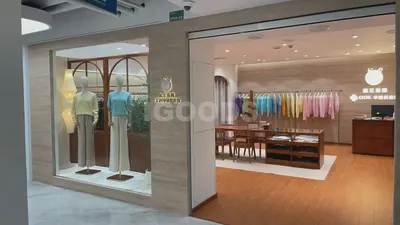
Clothing retail (customer return photos) 160㎡ travertine (Xiangri Yellow) wall construction case
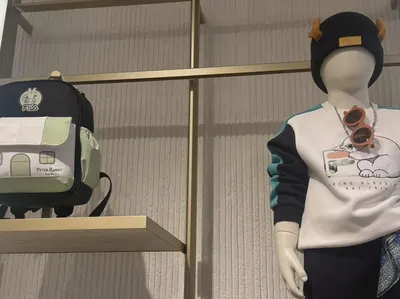
Clothing store 210㎡ New Line Stone (white) wall construction case
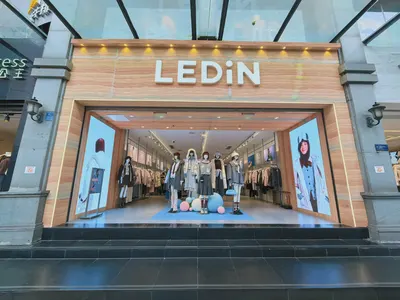
Women's clothing store 96㎡ rammed earth (printed rammed earth) wall construction case
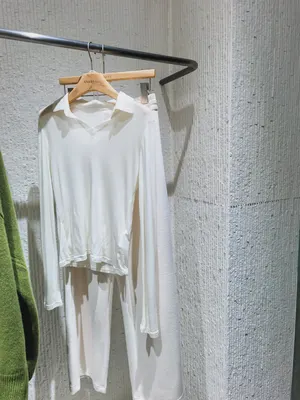
Women's clothing store 180㎡ South Island Years Traces (black and white) wall construction case
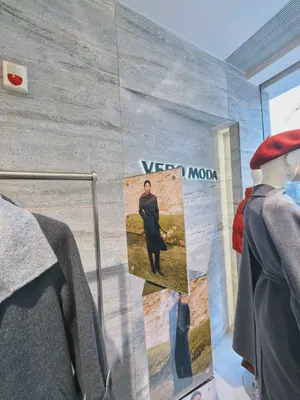
Women's clothing store 190㎡ travertine (printed travertine) wall construction case
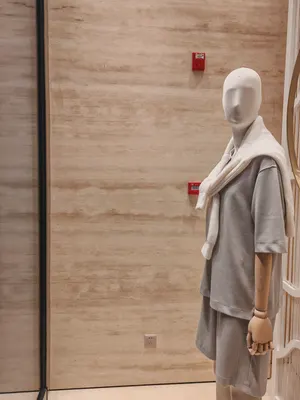
Clothing store 180㎡ travertine (travertine) wall construction case
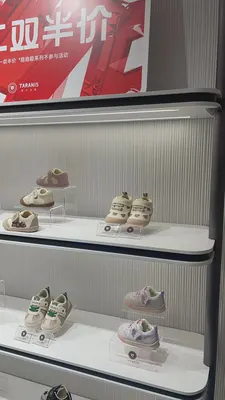
Children's clothing store 150㎡ New Line Stone (white) wall construction case
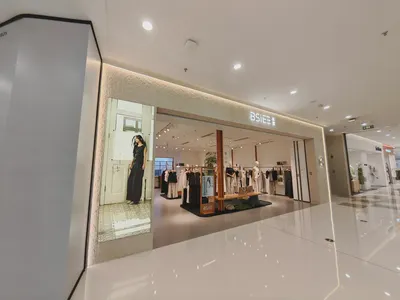
Clothing store 200㎡ Star Moon Stone (light color) wall construction case