
PU stone skin panel| Specification parameters, series, and selection
PU Stone Skin Panel is a type of material mainly made of polyurethane, molded according to the natural stone surface.Lightweight stone-look facing materialWhile maintaining the shapes of stone split surfaces, mushroom stones, cultural bricks, etc., it significantly reduces the weight per square meter, making it suitable for locations that are difficult to reinforce the subgrade, such as door signs, background walls, and renovation of old walls. This page only discusses the PU stone skin panel category, with a total of 12 series.
Catalog scope: Products released, including all subcategories; each product is counted only once. The number of previews and the total quantity of the complete catalog are marked separately; please contact for specific supply status and model information.
Number of category catalogs and selection entry
There are a total of 115 Products information released, including subcategories. The number of catalogues in each subcategory and the complete model entry are as follows, please check the specifications and application range in the product details.
When the same product appears in multiple categories, the total statistics are de-duplicated; there may be overlaps in cross-category items.Return to the five-category product data overview · Check the certificate and inspection materials
PU stone skin panel · Series and Styles
This area only includes「PU stone skin panelThe styles under this category do not mix with other categories.
By series
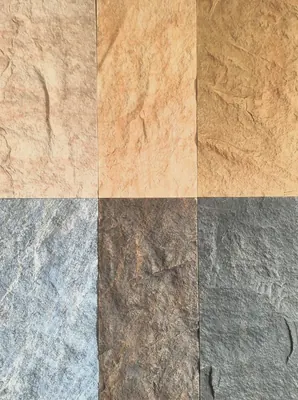
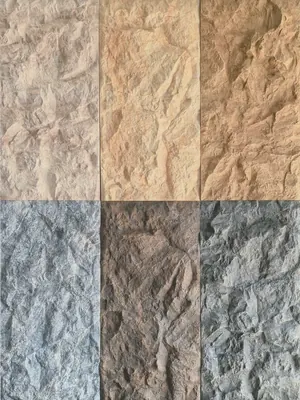
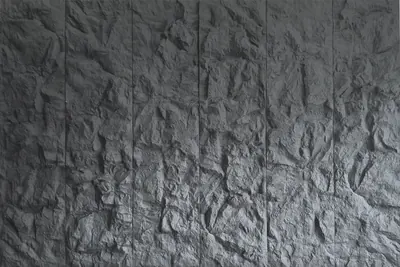
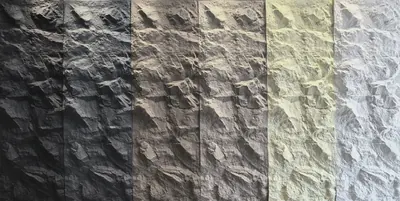
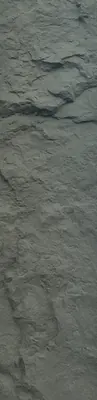
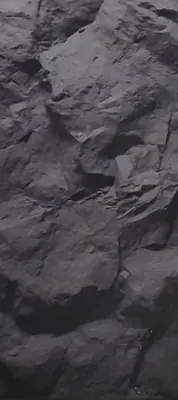
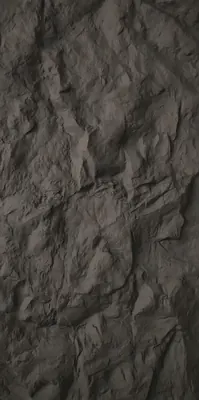
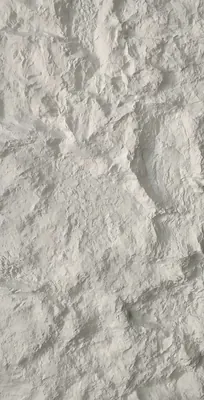
The first 12 styles of each series are displayed, click the series name to view all styles of the series.The content on this page is limited to「PU stone skin panelThis categoryand other categories of products are not mixed in.

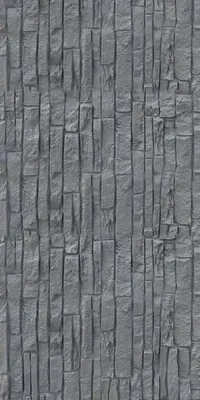
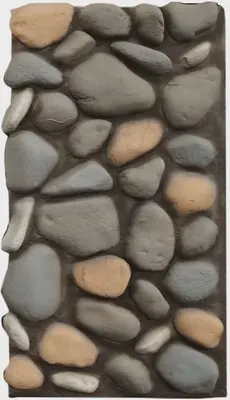
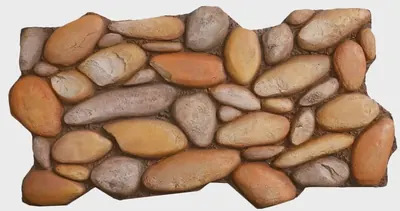
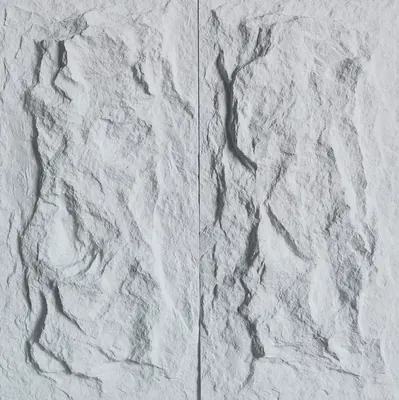
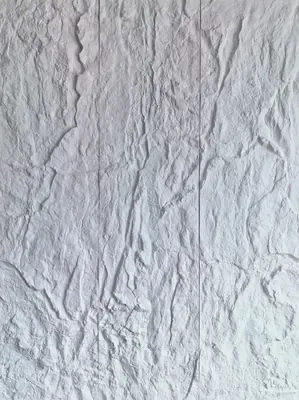
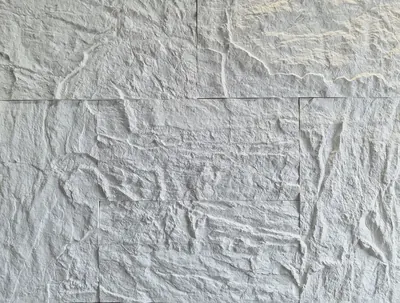
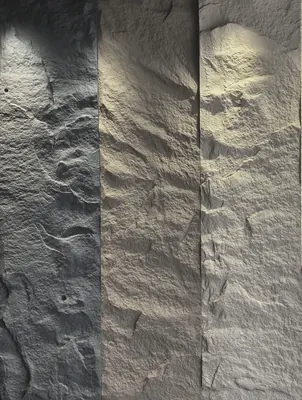
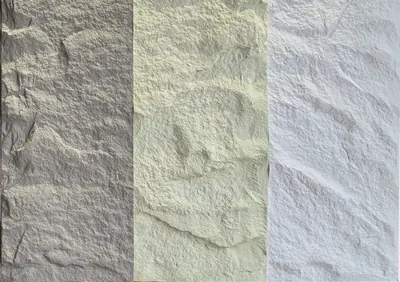
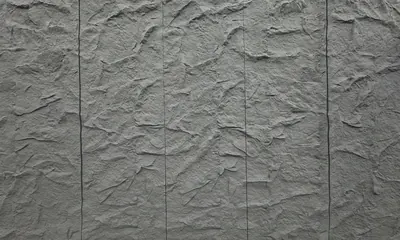
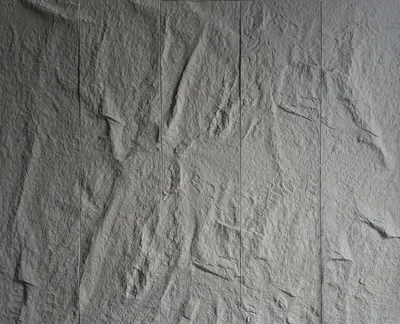
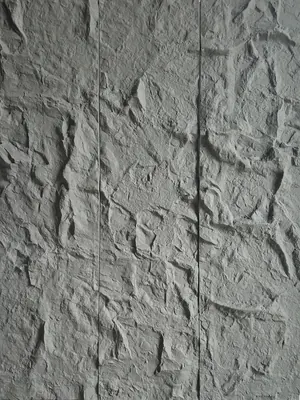
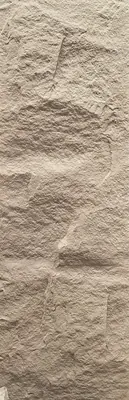
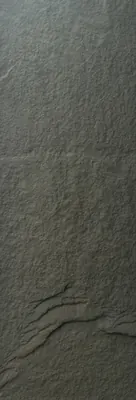
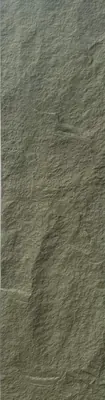
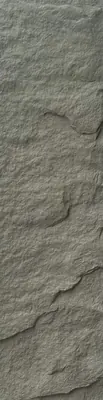
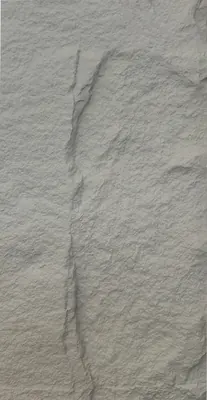
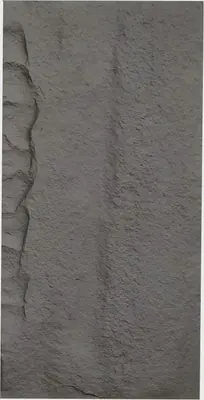
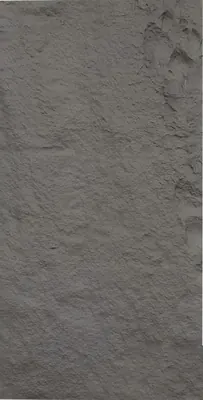
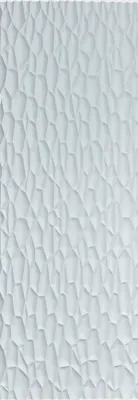
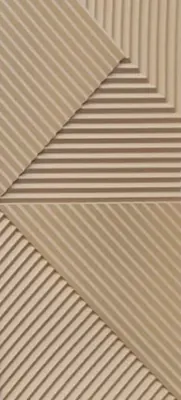
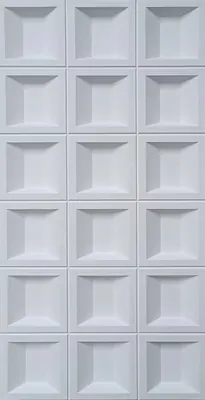
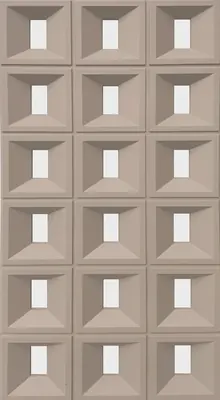
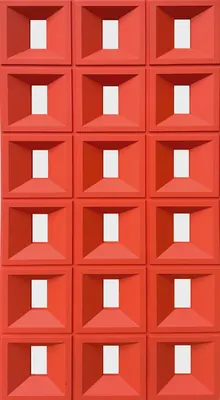
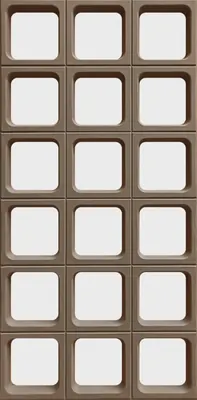
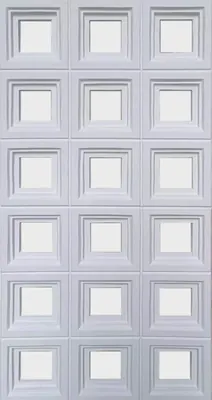
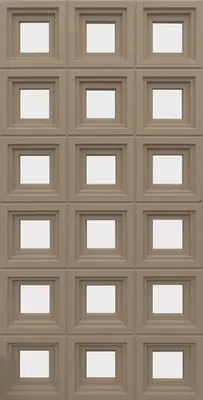
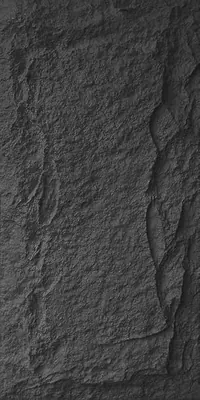
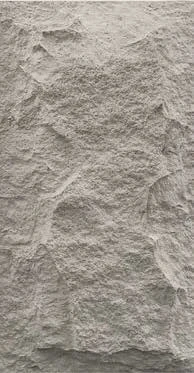
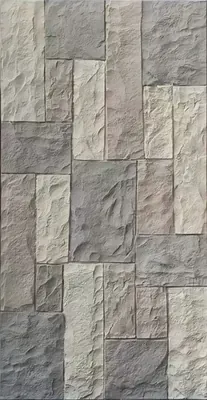
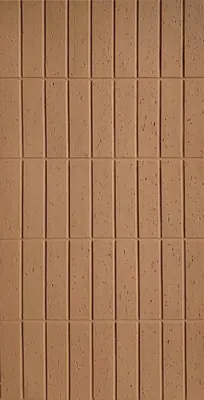
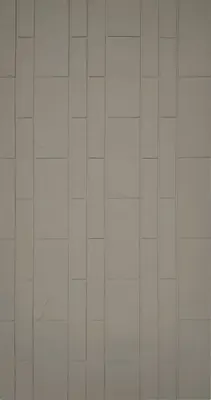
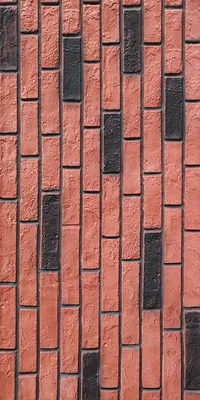
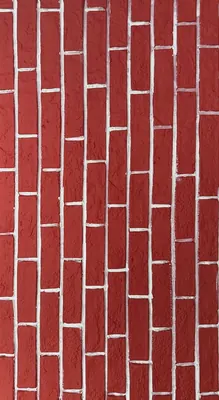

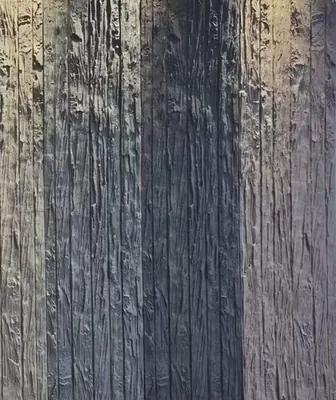
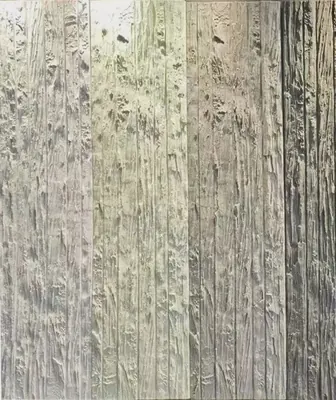
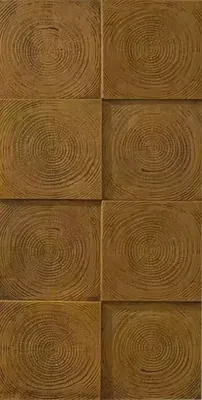
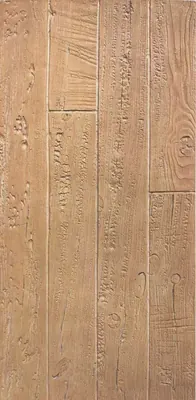
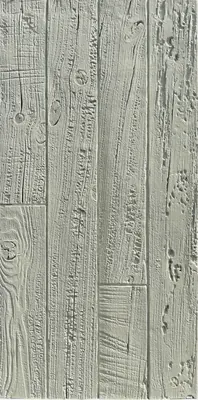
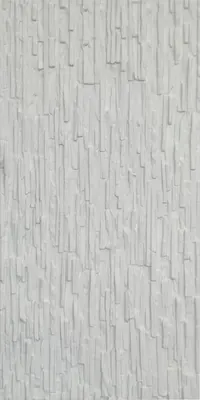
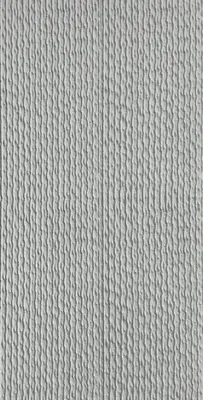
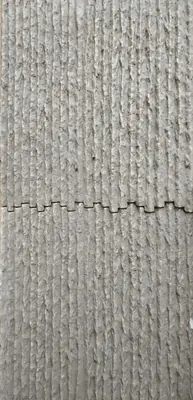
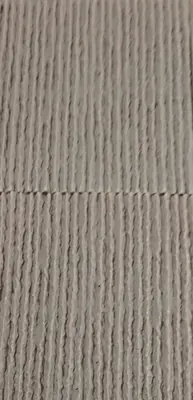
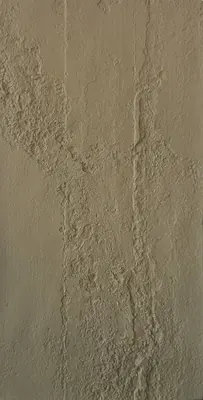
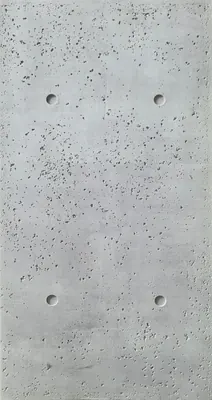
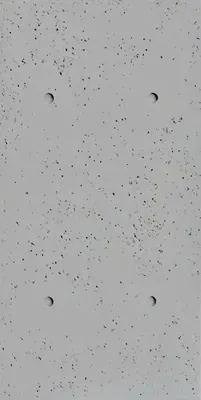
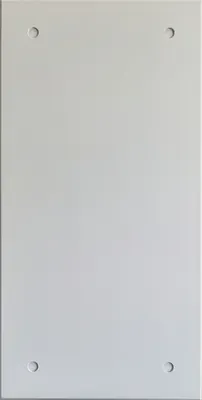
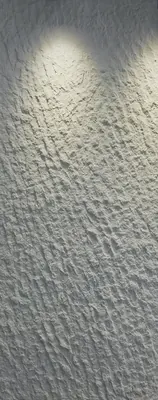
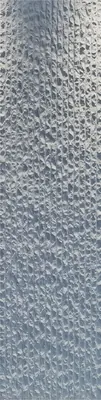
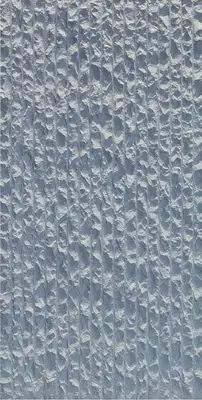
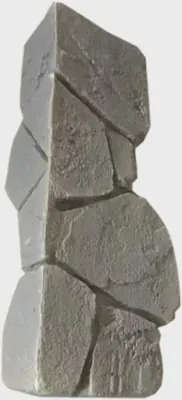
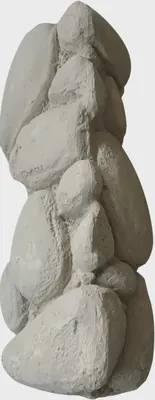
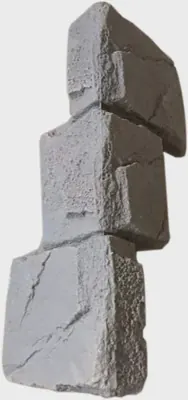
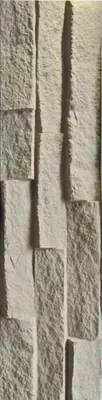
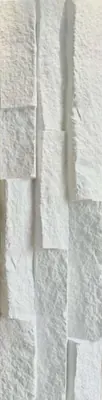
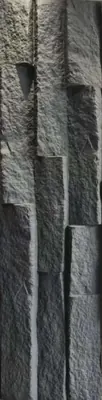
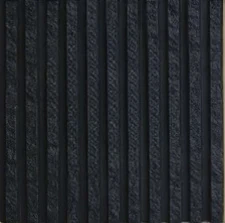
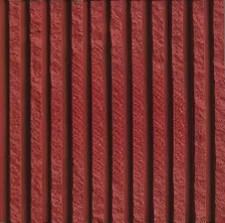
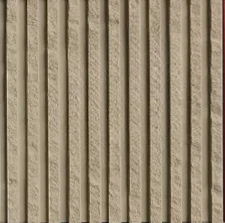
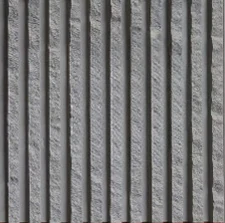
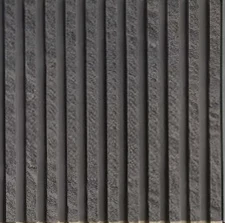
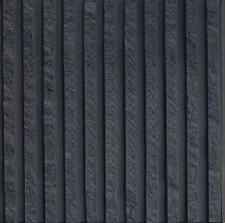
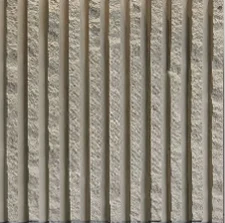
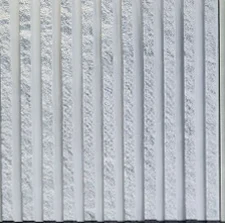
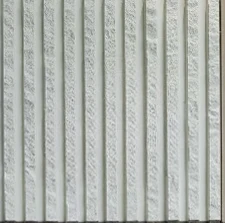
Critical parameter quick check
PU Stone skin is an artificial stone facing material made by First, look at the shape (split surface / mushroom stone / cultural brick), and then look at the color。
| Material category | PU (Polyurethane) Artificial Stone Cladding Panel, commonly known as PU Stone Skin, PU Cultured Stone |
|---|---|
| Molding method | The surface of the natural stone is formed by casting, the mold determines the texture shape, and the texture consistency of the same mold is high. |
| Common thickness | Two types: ultra-thin and standard; the ultra-thin type saves more space, while the standard type has a stronger three-dimensional effect |
| Single specification | Large plate type single piece area is larger according to series, and mosaic type is mainly small specifications |
| Main Advantage | lighter: No load-bearing reinforcement of the original wall is required; old walls can be covered directly. |
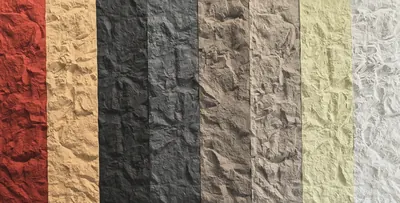
| Color system | Dark gray, light gray, milky white, sandstone color, rust color, etc.; seamless splicing is a common practice |
| Installation Method | No-clip Adhesive / Structural Adhesive bonding as the main method, some techniques are matched with clips and joists |
| Applicable areas | Building wall, door head, exterior wall, backdrop wall, column surface joint |
| Sample specifications | Can provide physical samples for confirmation of shape and color |
Twelve series are written in what form
The series division of PU stone skin, in essence is. When selecting, determine the shape first, then determine the color and splicing method.
| Series | Published entries (entries) | morphological characteristics | More suitable for what part |
|---|---|---|---|
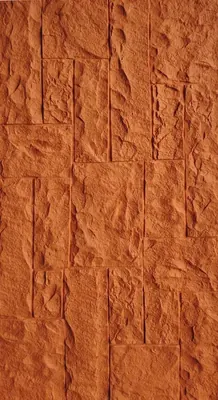
| 3D three-dimensional decorative bricks | 25 | Obvious three-dimensional convex and concave, rich light and shadow levels | Television wall, store sign background, photo wall |
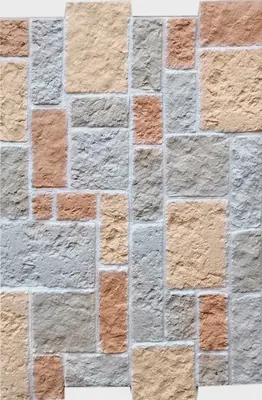
| Simulated stone mosaic brick | 19 | Small-scale tiles, can be used for continuous patterns and staggered joints | Local shaping wall, bar background |
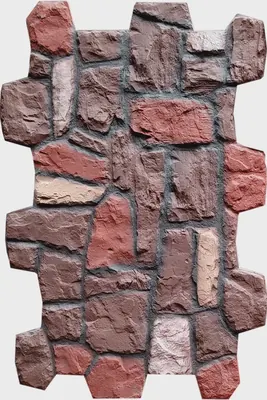
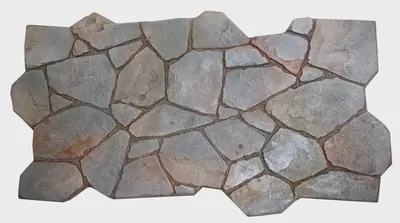
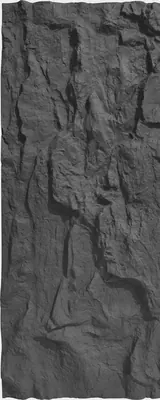
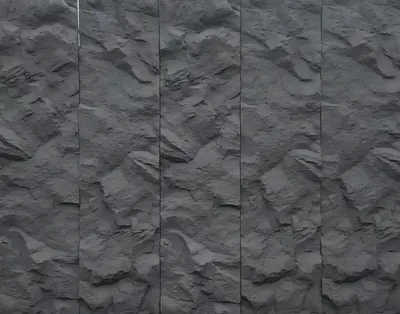
| Rock wall stone | 14 | Roughly split surface, strong rock-like sense | Door heads, exterior walls, themed spaces |
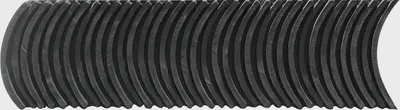
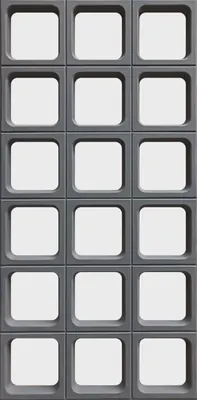
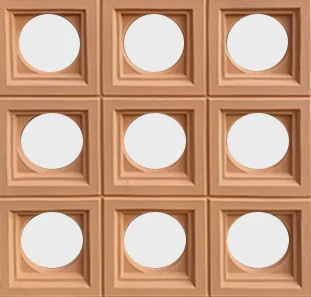
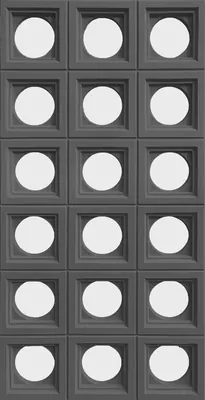
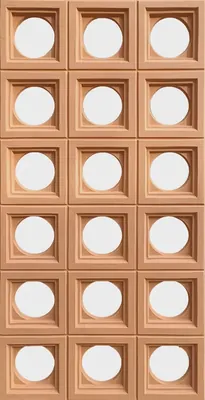
| Lattice stone with stone pillar | 12 | Strip and column shapes, used for closing ends | Corners, columns, window surrounds |
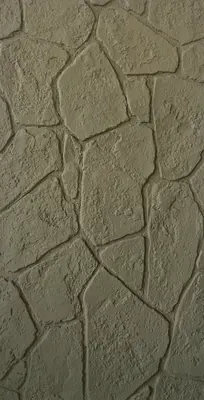
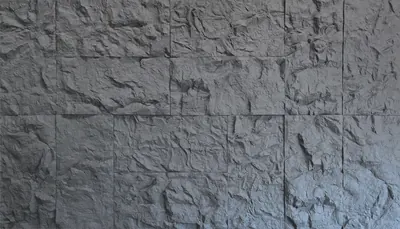
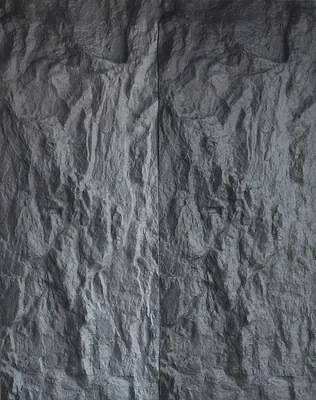
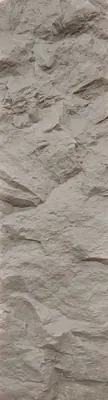
| Stone skin large plate | 11 | Whole piece large plate, naturally split stone skin texture, continuous texture can be spliced | Large area exterior wall and main wall, reducing joints. |
| Mushroom stone and climbing rock stone | 8 | Mass-like protrusion, the strongest three-dimensional sense | Cylindrical, local decorations, courtyard walls |
| Imitation wood grain board | 7 | Wood grain imitation stone making | Areas that need a wood feel but are prone to moisture |
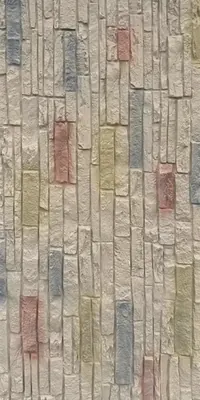
| Cultural bricks | 5 | Brick masonry texture with high regularity. | Inn, catering, retro space |
| Flowing stone wall panel | 4 | Smooth water pattern, weak directional sense | Arched wall and water flow modeling |
| Clear water board | 4 | Clear concrete texture | Minimalist, industrial style space |
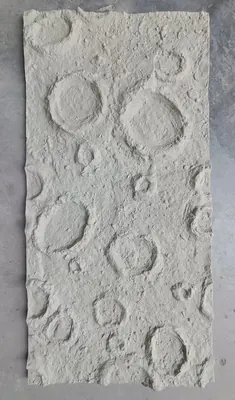
| Nebula stone panel | 3 | Foggy spots, strong overall | Large area background wall. |
| Corner accessories | 3 | Matching corner pieces to solve outer corner finishing | All corners needing to be turned |
Total count of this category 115 Products information released (including subcategories); the preview of some models is above, please enter the corresponding series to view the complete catalogues.
How to choose: PU stone skin and genuine stone, how to divide the work between flexible stone
| Comparison item | PU Stone Skin | Natural stone. | Flexible Stone |
|---|---|---|---|
| Form source | Molded molding, consistent texture as the same model, can be mass produced | Naturally formed, each one is different. | embossed or printed molding, mainly in flat texture |
| self-weight | Very light, no need to reinforce the original wall | The heaviest, more need to be hung dry and reinforced with the base | About 3-7 kg/square meter |
| three-dimensional sense | The strongestBlock shapes and split-face protrusions are prominent | Strong | Mainly surface texture, thinnest in thickness |
| Curved adaptability | The small-radius curved surface is restricted | Requires waterjet processing | Can be curved to cover the entire sheet |
| Typical division of labor | YesThree-dimensional form + light weightChoose PU stone veneer; need itPlanar texture + Bendable arcChoose flexible stone; only floors and load-bearing areas require real stone. | ||
Construction and acceptance: several things that can be verified on site
| Stage | Verifiable content |
|---|---|
| Subgrade requirements | Cement wall, brick wall, gypsum board wall, old tile surface can all be used; When renovating the old wall, confirm that the original surface layer has no hollowing or peeling |
| Paste method | No-clip Adhesive / Structural Adhesive dot bonding and full bonding according to shape; block products with strong stereoscopic sense are recommended to be matched with clips or local reinforcement |
| Tile and pattern | Continuous-vein panels requireLay out in order by number;When staggered joint laying, pre-lay on the ground first to confirm the grain direction and color difference |
| Corner treatment | For external corners, it is recommended to use matchingCorner accessoriesMore neat than on-site cutting and matching, and also avoids exposing the base at cut edges |
| Miter and edge sealing | At the top, edges, and junctions with other materials, it is recommended to leave access conditions for maintenance or finish according to the node drawings |
| Acceptance Basis | The supply contract agreement + relevant standards of the project location shall apply; fire protection and other special requirements shall be based on the model inspection report. |
Frequently asked questions about PU stone
Is PU stone skin stone?
Not. The main material is.Polyurethane (PU)The method involves casting molds from natural stone surfaces, so it can reproduce stone forms such as split faces, mushroom stone, and culture brick, but the weight is far lower than real stone, and there is no need to reinforce the substrate for load-bearing.
What are the differences between it and flexible stone?
The positioning of the two is different:PU Stone Skin Strong in three-dimensional form(blocky protrusions, rough split face),The strength of flexible stone lies in its thinness and ability to bend.It can wrap columns and curved surfaces in one piece. In the same project, they are often used in division of labor—flexible stone for flat and curved surfaces, and PU stone veneer for areas requiring three-dimensional protrusion.
Can the old wall be directly covered?
In most cases, this is also the reason why PU stone skin is popular in renovation projects - it is light in weight and does not need to remove the old surface layer. But it needs to be confirmed before construction.The original wall surface has no hollow sound, no peeling, and no water leakage.Otherwise, it should be repaired first.
How should continuous-vein panels be laid to look good?
Continuous-vein panels shouldLay out in order by numberSo that the texture can continue naturally. Before installation, it is recommended to first lay out the panels on the floor to confirm the overall texture direction and color differences, and then install them on the wall.
How are external corners handled?
Please use the matching accessories.Corner accessories. Cutting and splicing on site often leads to problems such as exposed bottom edges and uneven seams, especially in series with strong three-dimensional effects.
Typical application scenarios
- Commercial entrance and exterior wall: Stone-skin large panels and rock-wall stone series: strong three-dimensional effect and light weight, with no need to reinforce the original wall.
- Interior background wall3D three-dimensional decorative bricks and stone-look collage bricks, suitable for TV walls, store sign backgrounds and photo walls.
- Old wall renovationCan be applied directly over old tiles or old painted walls, reducing removal work.
- Local shaping and pillar wrapping:Mushroom stone and climbing rock, grille stone and stone strip columns are used for corner and column surface finishing.
Not sure which color to choose?
Apply for 20×30cm physical samples, and determine the final material selection after comparing with the project lighting and adjacent materials on the site.