
In projects such as hotels, homestays, commercial spaces and urban renewal, the choice of wall decoration materials directly affects spatial texture, construction efficiency and full-life-cycle cost. Flexible stone, PU stone veneer, wood veneer wall panels and imitation stone paint, as the four current mainstream new wall materials, each have distinct performance characteristics and applicable scenarios. This article systematically reviews them from four dimensions: material properties, application scenarios, installation key points and procurement recommendations, to help designers, contractors and owners make more scientific material selection decisions.
1. Flexible stone
Material characteristics
Flexible stone is a lightweight decorative panel made from natural stone powder, polymer, and fiberglass cloth as base materials, formed through pressing, curing, and surface treatment. The common thickness is about 2-4mm, and the weight per square meter is only about 1/10 that of natural stone, yet it can visually reproduce natural textures such as marble, sandstone, and travertine to a high degree.
Application scenario
- Hotel lobby, guest room feature walls and elevator halls
- Storefronts and image walls of commercial chain stores
- Existing walls that require rapid renovation in old renovation projects
- Irregular shaped wall surfaces such as arcs and cylindrical columns
Installation key points
Flexible stone can be directly adhered to flat substrates, or used with structural adhesive and backing boards. Before construction, ensure the substrate is dry, free of oil stains, and not loose; internal and external corners and curved surfaces need to be laid out in advance to avoid obvious joints.
Procurement recommendations
Focus on the thickness of the surface wear layer, fire rating, and tensile strength. It is recommended to request samples first, compare texture consistency across different batches, and confirm the match with the design scheme.
II. PU Stone Veneer
Material characteristics
PU stone skin is a lightweight imitative stone board made from polyurethane (PU) through mold casting. Its weight is much lower than that of real stone, with large single-size dimensions and fewer joints, and it also has waterproof, moisture-proof, and weather-resistant properties, which can be used indoors and outdoors.
Application scenario
- Commercial space feature walls and themed restaurant walls
- Exterior wall decoration for villas and homestays
- Ceilings, bar counters, display cabinets, and other three-dimensional shapes
- Damp environments such as basements, kitchens and bathrooms
Installation key points
PU stone skin is often fixed with structural glue or nail gun, and the base needs to be leveled. When installing outdoors, attention should be paid to the treatment of the mouth and the reservation of expansion joints to avoid deformation caused by long-term temperature difference.
Procurement recommendations
Pay attention to mold precision, surface coating weather resistance, and density. Low-density products are cheaper, but impact resistance and durability are weaker; for engineering projects, high-density series are recommended.
3. Wood veneer wall panels
Material characteristics
Wood-finish wall panels are decorative panels made by bonding natural wood veneer or engineered wood veneer to the surface of a substrate (plywood, MDF, PVC foam board, etc.). They retain the warm, natural look and feel of wood while solving the problems of solid wood such as easy cracking, deformation and high maintenance costs.
Application scenario
- Walls and ceilings of hotel guest rooms, clubs and tea rooms
- Meeting rooms and reception areas in office spaces
- Residential living room and bedroom feature walls
- Integrated design of same-color wall, cabinet, and door
Installation key points
Wood-finish wall panels are usually installed using dry hanging, hanging strips or structural adhesive. Attention should be paid to environmental humidity control to avoid mold caused by excessively high moisture content in the substrate. For joints, same-color edge trim or tight-joint craftsmanship is recommended to enhance overall refinement.
Procurement recommendations
Distinguish natural wood veneer from engineered wood veneer, and confirm the substrate environmental grade (such as E0, ENF). For projects with fire protection requirements, flame-retardant substrates and finish treatments must be selected.
IV. Imitation stone paint
Material characteristics
Imitation stone paint is a water-based coating system that forms a stone-like visual effect through spray application. Common types include real stone paint, water-in-water, and water-in-sand. It is applied directly to building exterior facades or interior walls and can achieve the high-end stone appearance of natural granite, marble, and the like at relatively low cost.
Application scenario
- Overall decoration of villa exterior walls and engineered exterior walls
- Old building exterior facade renovation
- Irregular components such as perimeter walls, gatehouses and Roman columns
- Energy-saving exterior wall projects combined with insulation systems
Construction key points
Imitation stone paint construction has relatively high requirements for substrate treatment: special putty must be applied, primer and topcoat must be applied, and spraying must be done in layers. Color difference control and joint design are key factors affecting the final result, and it is recommended that an experienced construction team carry out the work.
Procurement recommendations
Focus on emulsion content, water resistance, and weather resistance service life. Low-priced products are prone to problems such as whitening, peeling, and large color differences. For engineering exterior walls, it is recommended to choose products with a complete brand system and test reports.
V. Comprehensive material selection recommendations
In actual projects, the four materials are not mutually exclusive and can be used in combination:
- Pursuing lightweight and irregular-shape effects: Prefer flexible stone;
- Requires large panels, light weight and three-dimensional effect: PU stone veneer is more suitable;
- Emphasizes natural warmth and a high-end spatial atmosphere: Wood veneer wall panels are the first choice;
- Economical stone effect for large-area exterior walls: Imitation stone paint offers the best cost-performance.
During material selection, project budget, substrate conditions, schedule requirements, fire and environmental standards, and later maintenance costs should also be comprehensively considered. Before bulk purchasing, it is recommended to first make a small-area mockup to confirm color, texture, and construction technique before proceeding to large-area installation.
Closing remarks
Choosing wall decoration materials is a systematic engineering task that balances aesthetics, function and economy. As a full-scenario wall decoration material solutions provider, IGOODS continuously supplies hotels, homestays, commercial spaces and renovation projects with high-quality products such as flexible stone, PU stone veneer, wood veneer wall panels and stone-look coatings, along with supporting material selection solutions. For more material details or project quotations, please contact our professional consultant team.
Related articles
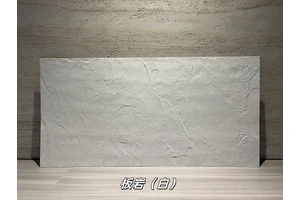
White Limestone Flexible Stone
White Limestone is a flexible stone in the Limestone and Natural Stone series...
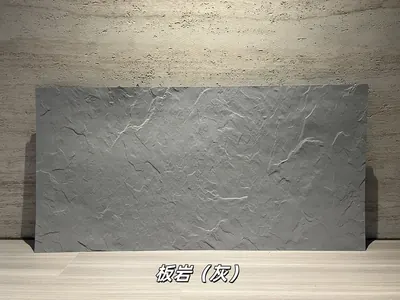
Grey Slate Flexible Stone
Grey Slate is a flexible stone with neutral gray tones, natural stratificatio...
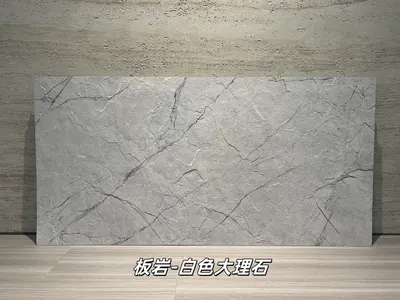
Flexible slabs of white marble rock
Extending from the light gray white stone base color to the dark gray marble ...
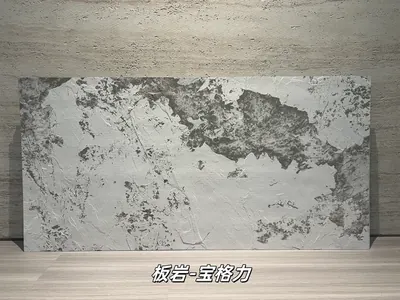
打印板岩宝格力柔性石材
浅灰白基底与深灰黑色斑驳纹理形成强烈对比,画面具有抽象矿物感和艺术张力,适合酒店大堂、精品商业及特色餐饮墙面。本页给出规格与包装参数、材质与性能、施工做法...
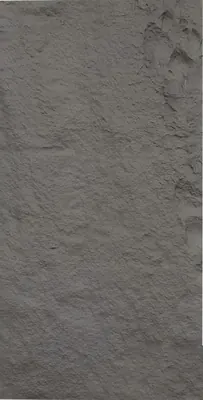
Ultra-thin PU stone veneer wall panel HCP-101A
Ultra-thin PU stone veneer wall panel HCP-101A is a PU three-dimensional wall...
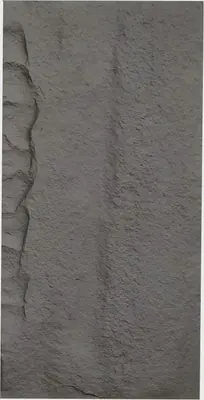
Thin PU Stone Veneer Wall Panel HCP-101B
Thin PU Stone Veneer Wall Panel HCP-101B is a PU 3D wall panel from the IGOOD...
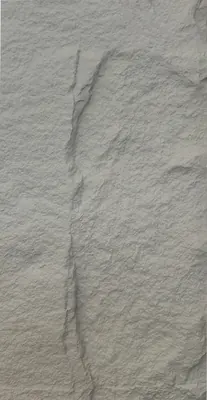
Thick version PU stone-skin wall panel HCP-101C
The thick version PU stone-skin wall panel HCP-101C is a PU three-dimensional...
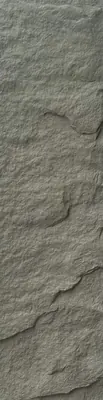
Large Panel Stone Veneer Relief-600mm PU Stone Veneer Wall Panel HCP-102A
Large Panel Stone Veneer Relief-600mm PU Stone Veneer Wall Panel HCP-102A is ...
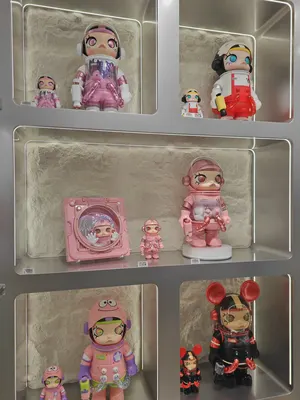
Wall construction case study of 240㎡ PU stone veneer (gray) in a toy store
The toy store project is located in Sanya City, Hainan Province. The main wal...