
Panel export enterprises increase flexible stone SKU common problems
1. Is flexible stone suitable for all wallboard customers?
It is not necessarily. Priority should be given to verifying customers who operate a variety of building materials, actively seek new products or have distribution capabilities, and judge according to their channels and procurement conditions.
2. How many SKUs should be selected for the first batch of flexible stone?
There is no fixed number. It is recommended to determine a small number of core styles based on customer feedback, and then configure profit models and test models to avoid building invalid inventory for a rich catalog.
3. How to establish standards for each SKU?
Set a unique code, record structure, specification, color, material, standard sample, packaging, MOQ, price, supplier, and quality documents, and carry out version management.
4. Can the flexible stone be combined with the panel to form a cabinet?
Calculate according to supplier location, packaging, weight, protection, and logistics arrangements. It is essential to ensure that all products are traceable and not to sacrifice safety for the sake of increasing loading capacity.
How to reduce MOQ for multi-SKU orders?
Use the quantity of a full order to exchange for flexibility on a single item, give priority to regular items, use neutral packaging, or accept transparent small order fees. The specific plan must be confirmed by the supplier regarding production conditions.
6. When is it suitable to do OEM brand packaging?
Assess brand packaging only after the core SKU has gone through trial orders and has a stable expectation for repeat purchases. The first order can first verify the product and channel to reduce one-time investment.
7. How to calculate the true profit of SKU?
Include procurement, packaging, logistics, inspection, inventory, capital, sales, and after-sales into the landing cost and then combine channel pricing, turnover, and repeat purchase assessment.
8. Which SKUs should be eliminated in a timely manner?
Long-term lack of interest from target customers, inventory accumulation, unstable supply, or SKUs that cannot cover the full cost, should reduce procurement or stop sales.
Related articles
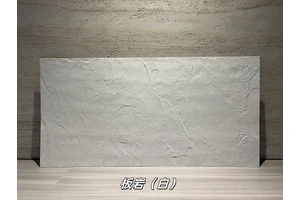
White Limestone Flexible Stone
White Limestone is a flexible stone in the Limestone and Natural Stone series...
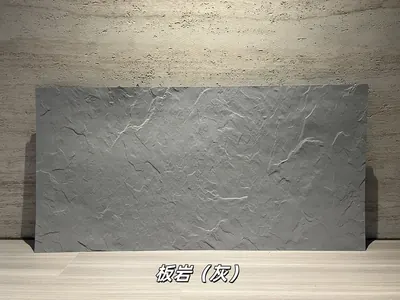
Grey Slate Flexible Stone
Grey Slate is a flexible stone with neutral gray tones, natural stratificatio...
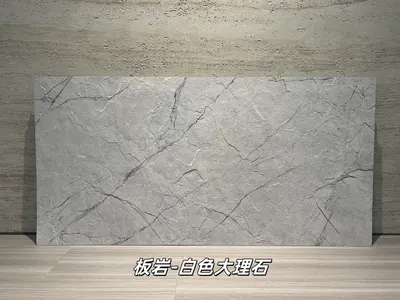
Flexible slabs of white marble rock
Extending from the light gray white stone base color to the dark gray marble ...
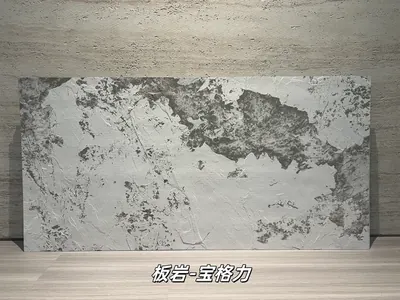
打印板岩宝格力柔性石材
浅灰白基底与深灰黑色斑驳纹理形成强烈对比,画面具有抽象矿物感和艺术张力,适合酒店大堂、精品商业及特色餐饮墙面。本页给出规格与包装参数、材质与性能、施工做法...
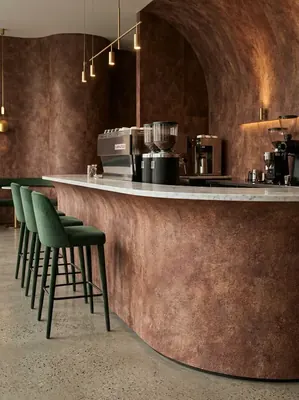
Coffee and tea drinks 220㎡ (sandstone texture) wall construction case
IGOODS provided flexible stone (sandstone texture) as wall material for a cof...
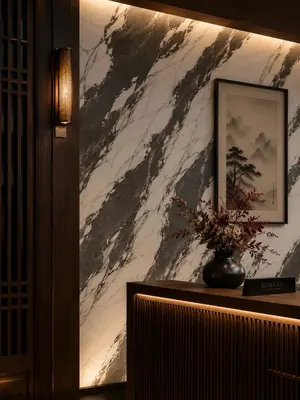
Fusion restaurant 620㎡ printed soft stone (dark base with light veins) wall installation case
The fusion restaurant project is located in Yongchuan District, Chongqing, an...
cases related
Coffee and tea drinks 220㎡ (sandstone texture) wall construction case
IGOODS provided flexible stone (sandstone texture) as...
View cases →
Fusion restaurant 620㎡ printed soft stone (dark base with light veins) wall installation case
The fusion restaurant project is located in Yongchuan...
View cases →