
Ceramic tile export enterprises develop flexible stone common problems
1. Will flexible stone replace the tile product line?
Should not preset alternative relationships. For foreign trade enterprises, it is more suitable as related decorative material SKU for customer verification, whether applicable is determined by channel, project and product conditions.
2. Which tile customers are more suitable for promoting flexible stone?
Contact importers and Distributors who manage various building materials, actively seek new products, have distribution networks, or need differentiated products first.
3. How many flexible stone SKU should be prepared for the first batch?
There is no fixed amount. Depending on customer feedback and sales capacity, a few core styles should be used mainly, combined with differentiated and test styles, to avoid arbitrary expansion of inventory.
4. Can it be combined with tiles to form a cabinet?
Calculate according to the supplier's location, packaging, weight, loading, logistics, and protection conditions of the goods. Do not force consolidation to save shipping costs without verification.
How to choose a flexible stone manufacturer?
Check product information, sample consistency, production quality, MOQ, packaging, documents, delivery time, and after-sales service, and verify through unified quotation and trial order.
Do we need to do OEM brand packaging for the first order?
If the market has not been verified, you can first evaluate neutral packaging and compliant labels; after sales volume is stable, then invest in brand packaging and sales materials according to channel value.
7. How to judge if flexible stone can increase profits?
Calculate the complete landed cost, channel selling price, inventory turnover, quality risk, and repurchase potential, and judge with real order data, not just look at the promotional gross profit.
8. What product knowledge do salespeople need to learn?
At least master the product structure, specifications, samples, MOQ, packaging, quality boundaries, applicable restrictions, documents, and supplier capabilities, and avoid making unverifiable commitments.
Previous:How to control batch color difference of flexible stone - Export Quality Management Guide
Next:How can wallboard export enterprises use flexible stone to increase product SKU
Related articles
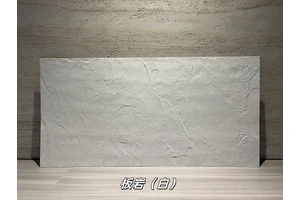
White Limestone Flexible Stone
White Limestone is a flexible stone in the Limestone and Natural Stone series...
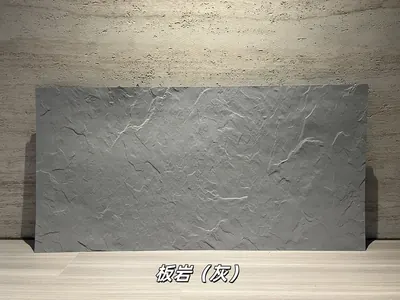
Grey Slate Flexible Stone
Grey Slate is a flexible stone with neutral gray tones, natural stratificatio...
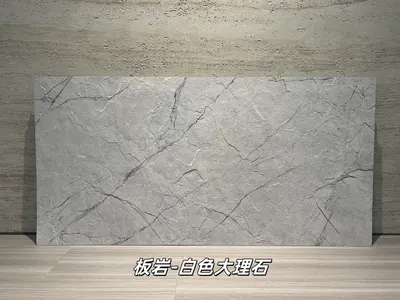
Flexible slabs of white marble rock
Extending from the light gray white stone base color to the dark gray marble ...
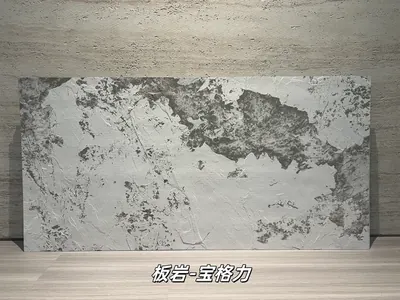
打印板岩宝格力柔性石材
浅灰白基底与深灰黑色斑驳纹理形成强烈对比,画面具有抽象矿物感和艺术张力,适合酒店大堂、精品商业及特色餐饮墙面。本页给出规格与包装参数、材质与性能、施工做法...
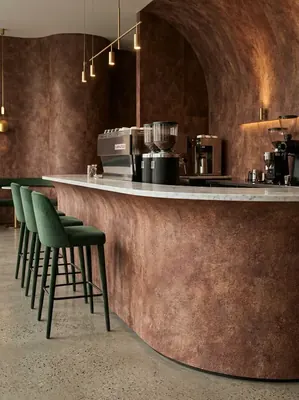
Coffee and tea drinks 220㎡ (sandstone texture) wall construction case
IGOODS provided flexible stone (sandstone texture) as wall material for a cof...
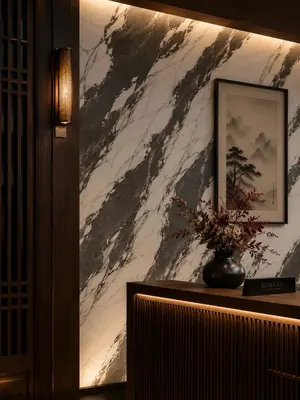
Fusion restaurant 620㎡ printed soft stone (dark base with light veins) wall installation case
The fusion restaurant project is located in Yongchuan District, Chongqing, an...
cases related
Coffee and tea drinks 220㎡ (sandstone texture) wall construction case
IGOODS provided flexible stone (sandstone texture) as...
View cases →
Fusion restaurant 620㎡ printed soft stone (dark base with light veins) wall installation case
The fusion restaurant project is located in Yongchuan...
View cases →