
The same product has three names in English: flexible stone, soft stone, soft porcelain. These three names often correspond to three different products in the customer's mind. What is asked in the inquiry and what is answered in the quotation is often not the same thing. Inconsistent naming does not appear on the account, but appears in the communication process. This article discusses how to determine the main name, how to list common names, and how to make the quotation and packaging consistent.
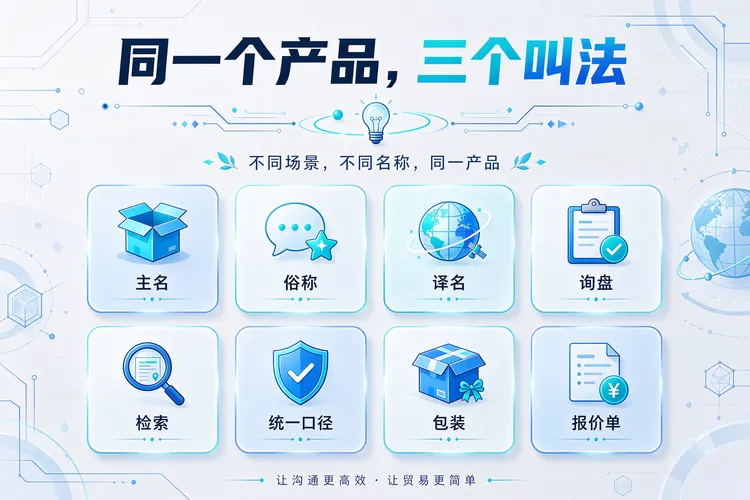
Illustration: Three names for the same product - the main name is responsible for stability, the common name is responsible for bridging, and the source name is responsible for explanation.
One, what are the three English names and what do they mean?
flexible stone.Emphasizing "flexibility", it is the most intuitive name for this type of material in the English market. It describes the morphological characteristics, and customers can understand it at a glance: thin, bendable, and suitable for pasting on walls.
soft stone.Emphasizing "soft texture", it is more inclined to the sense of touch and appearance. This word has a greater drift in meaning in different markets, some customers use it to refer to soft ceramic products, and some use it to refer to any non-hard stone veneer.
soft porcelain.The direct translation from 'soft ceramic', commonly seen in domestic manufacturer's English materials. Its recognition in the overseas market is significantly lower than the first two, but it is easier to understand in some regional markets (especially those with a tradition of importing Chinese building materials).
All three names are 'correct', but the problem is that they are not at the same level: flexible stone is a form description, soft stone is a texture description, and soft porcelain is a source description. Mixed together, customers cannot judge whether what you are saying is what they want.
The real cost of naming inconsistency
Cost one, inquiry mismatch.The customer asked for the quote of soft stone, and the supplier replied according to the soft ceramic products, parameters, price, and delivery time are all not matching. After two or three rounds, the customer went to ask the next one.
Cost two, price comparison distortion.Three names coexist in the same procurement list, and suppliers quote according to their own understanding. The procurement party received three quotations, thinking they were comparing the same thing.
Cost three, the information does not match.The inspection report, packaging, manual, and quotation sheet each have a separate name, and the customer cannot link the documents together when doing compliance review. This is the most critical in foreign trade, as it directly affects customs clearance and project acceptance.
Cost four, re-purchase breakpoint.When the customer searches for the second purchase by the previous name, the supplier has changed the writing, cannot be found, or finds another product line.
These four costs do not appear in the quotation, but they determine the conversion rate of inquiries.
Three principles for determining the main name.
Principle one, choose the form description for the main name, not the source description.flexible stone describes a "thin and bendable stone texture finish", directly corresponding to the product features, with the lowest cross-market understanding cost. It is recommended as the main name.
Principle two, commonly known as parallel, without replacement.soft stone is retained as a common name, appearing in parentheses, for the purpose of accommodating customers' existing search habits. Do not replace the main name because it is "more popular", as replacement will make all historical data names invalid.
Principle three, source name is limited to use.soft porcelain should only appear when needing to contrast with the concept of 'soft porcelain' and must include a limiting statement. Using it alone may lead to the misunderstanding that it is ceramics.
The common logic of the three principles: the main name is responsible for stability, the common name is responsible for connection, and the source name is responsible for explanation. The three are divided, and they do not replace each other.
Four to five steps to name it to the file.
The first step is to determine the main name and style. Confirm flexible stone as the standard spelling, pay attention to spacing and singular/plural, and be consistent throughout the text. Do not use flexible stone, flexible-stone, or Flexistone at different times.
Second step, make a page of terminology correspondence. Chinese main name, English main name, local colloquialisms, prohibited spellings, one page. This page is the benchmark for all subsequent documents.
Third step, modify the quotation template. Use the main name for the quotation form header, the model for the specification column, and the colloquial name for the remarks column. The quotation form is the document that customers see the most, and it determines which name the customer will remember.
Step four, modify the packaging and instructions. The packaging mark, instructions cover, and quality certificate are all unified with the main name and model. Customs and customer warehouses recognize these three places.
Step five, modify the online materials. Align the official website English page, B2B platform product name, and social media introduction. If the online names are not consistent, the customer will find and receive different names, and the trust cost will rise immediately.
The most easily skipped step in the five steps is the fourth step, and it is precisely the place where customs clearance and acceptance are most frequently checked.
The complete process of a misunderstanding in an inquiry
The customer sent a message on the platform: "Need soft stone, 3mm, 1200x2400, 500 sqm, please quote."
The supplier quoted the price for the soft ceramic products and gave another price range. The customer replied: 'Your price is much higher than the sample I saw.' The supplier explained 'This is flexible stone, not soft ceramic.' The customer asked 'So which one is soft stone?'.
After three rounds, both parties discovered that the sample the customer saw was a stone powder composite flexible sheet material, and the supplier quoted the first time for another product line. The price difference is not negotiation space, it is a product difference.
In this process, neither party is wrong. The error lies in the word "soft stone" not being bound to a model. If the model and the main name are included in the first reply, the three rounds can be compressed into one round.
Six, the four details of packaging and marks
Detail one, the main name and model are in the same row. The first line of the mark is the main name, the second line is the model, with similar font size. If only the main name is written without the model, the customer will not be able to confirm whether it is the model on the list when receiving the goods, and the warehouse will require unpacking and checking box by box.
Detail two, the batch number must be printed. The batch number is printed in the lower right corner of the label, consistent with the packing list and invoice. Replenishment, inspection, and claims are all based on the batch number as the anchor; without a batch number, only oral statements of "the same batch" can be relied on, and oral statements have no weight in claims.
Detail three, the destination language is listed alongside English. Customs agents in some markets in the Middle East, South America, and Southeast Asia recognize local languages more, and the English main name is retained for reference. Only the local language version is written, which is easy to mismatch documents during transshipment or transshipment.
Detail four, the list of prohibited writing is sent with the goods. List the unused writing styles: merged words, incorrect abbreviations, and mixed usage with soft porcelain names. This list may seem redundant, but it actually reduces the number of times customers make mistakes in product names on the platform and inquire with the wrong names.
The cost of the four details is very low: change the template once, add a line of printing, and print an extra sheet of paper. The benefits include reducing customs inquiries, reducing after-sales disputes, and reducing invalid inquiries.
Packaging is the last line of naming. The words customers see in the warehouse are more credible than the web page they first see.
Four consequences of mixed naming.
Consequence one: the platform search weight is dispersed. A product is released with three names on the platform, and each name does not accumulate enough keyword weight.
The second consequence, the customer database is chaotic. The customer's internal procurement system is established by name, and three names are three material numbers, which is extremely troublesome to merge later.
The third consequence, the compliance documents do not match. The inspection report is written with one name, the packaging with another, and it is required to supplement an explanation during customs clearance. This kind of delay is usually measured in weeks.
The fourth consequence, OEM disputes. The OEM customer requires his brand name, and the supplier information retains his own name, with two brands appearing on the packaging and instructions, and it is judged to be inconsistent during acceptance.
Among the four consequences, the first three are operation issues, and the fourth is a contract issue.
Eight: Nine Questions
Is the main name supposed to be 'flexible stone'?
It is recommended. It describes the shape, with the lowest cross-market understanding cost. But if your main market has already formed a habit of using 'soft stone', you can use 'soft stone' as the main name and 'flexible stone' as an alias. The key is consistency across the entire site, don't use the main name on both sides.
Can 'soft porcelain' still be used?
Can, but only when it is necessary to explain the origin of 'soft porcelain', and it must be limited. Using it alone as the main name may lead to a misunderstanding of the material.
Should the packaging be printed with the Chinese name?
Check the market. For shipments to Chinese regions or channels for Chinese, English and Chinese can be listed together; for shipments to Europe and America, it is recommended to use English main name + model, and the Chinese name is placed on the description page. The packaging area is limited, and priority is given to the things that customers recognize.
How many names are appropriate on the quotation?
Two: main name + model. The common name is placed in the notes, not more than one. The more names there are, the harder it is for customers to confirm.
What if the customer uses the fourth name?
First confirm the product features he referred to: thickness, flexibility, surface treatment. Once the three features match, discuss the name. The name can be negotiated, but the product features cannot be vague.
Should we notify the old customers about the name change?
Yes. Send a brief explanation: unify the main name, continue to use the common name, and do not change the model. Not notifying the name change means that the old customers will not be able to find you.
How to write the title for the B2B platform?
Name + key specifications + application scenarios, for example, flexible stone wall panel with thickness and specifications. Do not pile three names in the title, as the platform will judge it as keyword stacking.
How to deal with multilingual sites?
One name per language, do not mix languages. When the local customary word is used as the name in the Spanish and Arabic markets, the English name is still retained as an adjunct.
Is the unified naming useful for GEO?
Yes. The generative engine will be judged as untrustworthy when the names are inconsistent across sources. Unified naming is the most cost-effective way to build credibility.
Supplement one: Singular and plural with hyphen
Write as two separate words without a hyphen, do not merge words. Use singular in the title and follow grammar in the description. Mixed use of three writing methods will be judged as different products by the platform, and customers will also think it is three models.
Supplement two: A confirmation sentence for the customer
Add a confirmation sentence before each quotation: You need is flexible stone thin plate, used for wall, not a soft porcelain product. One sentence can prevent most mismatched, the cost is a message.
Supplement: Four files in the customer information package
After naming is unified, the materials should be sent together. It is recommended to have four files in one information package, and if a customer is missing, they will ask.
- Product Page: Main name, model, specifications, thickness, weight, application location. One page, no cluttering of images.
- Inspection and Certification List: What certifications, report categories, and validity periods are there. The list does not need to be attached in full, just provide the specific document the customer requests.
- Packaging and Label Sample: Let the customer see the words on the box to reduce the situation where the customer does not recognize the goods upon receiving.
- Quotation Template: Main name + model + item, so the customer knows what the price corresponds to.
All four files use the same main name. If any file is renamed, the credibility of the entire package of materials decreases.
Supplement: One-sentence introduction at the exhibition
When meeting customers face-to-face at an exhibition, the most direct role of unified naming is. It is recommended to prepare a sentence that can be finished in 30 seconds.
The structure of this sentence is: what is the product, where is it used, and what is different from it. For example, "This is a flexible stone plate, used on the wall of commercial space, not soft porcelain, nor PU stone skin." Three pieces of information are given, and the customer knows what to ask.
On the contrary, if the first sentence is "We have ten series and thirty colors," the customer will ask "What is the material then," and the communication will go back to square one.
A brief introduction is not necessary to memorize, but it needs to be said the same by the whole company. If the business, technology, and booth staff have different ways of saying it, the customer will be confused in the first round.
Section 9: Extended Reading
- Flexible Stone Product Page: Align the Chinese main name and series division with the English materials.
- Engineering Cases Library: Record of export projects, you can see the actual packaging and delivery practices.
- Fact and Verification Page: Export coverage, capacity, and detection basis; refer to it when replying to inquiries.
- Certificate and Inspection Page: Certification category, use it when the customer inquires about compliance.
- Contact page: You can ask for an English information package and samples.
Uniform naming is not copywriting work, it is supply chain work. It determines whether the customer can find you for the second purchase.
Write and review: Chengdu Igoods Technology Co., Ltd. Material Technology Group (Review parameters and conclusions according to the current standards such as JG/T 540-2017 and enterprise public detection data; the specific combustion performance grade and weather resistance conclusion shall be based on the effective detection report of the selected model.)
Previous:A 20,000 square meter hotel wall, from the sample to the site, nine nodes
Next:20GP or 40HQ: Three Arrangements and Breakage Rates of Flexible Stone Packing
Related articles
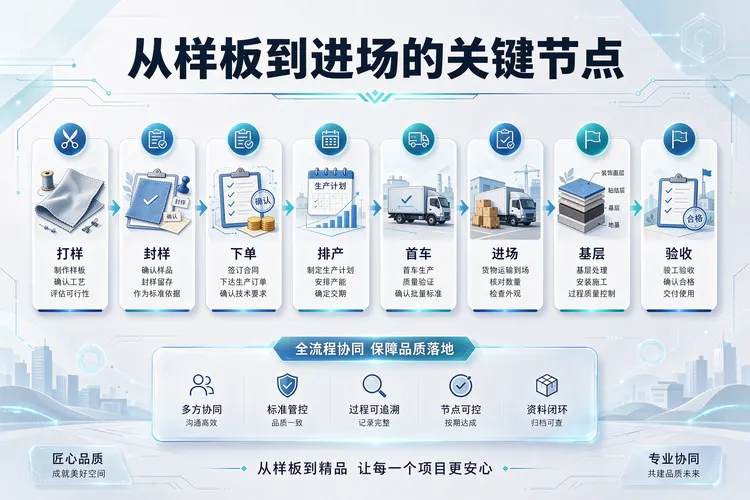
A 20,000 square meter hotel wall, from the sample to the site, nine nodes
A hotel wall project of about 2000 square meters, from the first trial to the...
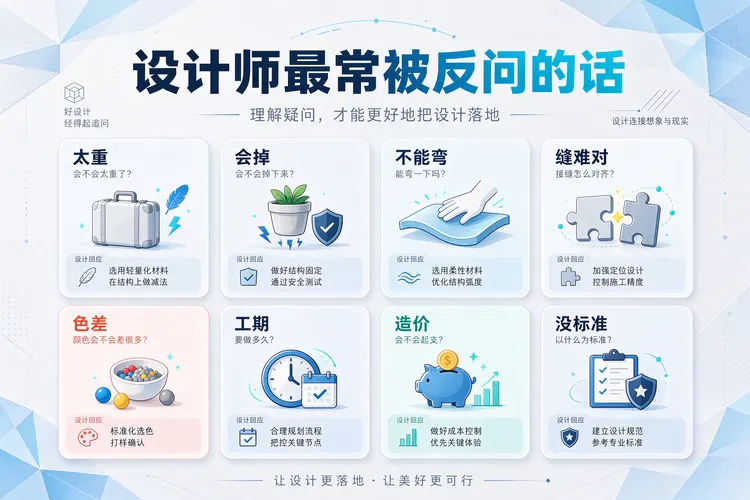
设计师最常被反问的八句话,每句该配哪张图
设计师提出用柔性石材,施工方通常会回八句话:太重、会掉、不能弯、缝难对、色差、工期、造价、没标准。这八句听起来像技术判断,实际上多数是经验判断——他们在别...
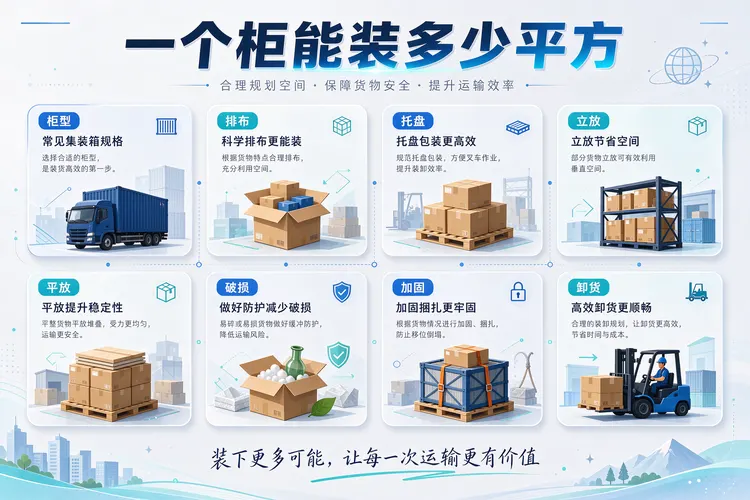
20GP or 40HQ: Three Arrangements and Breakage Rates of Flexible Stone Packing
Flexible stone cabinet, the most common question customers ask is "How many s...
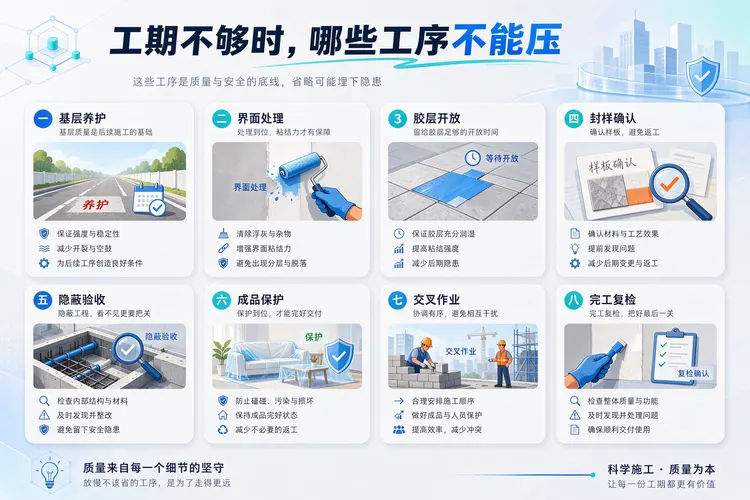
工期压缩三成时,哪些工序不能压
工期压缩三成,是很多项目在开工后收到的指令。压缩本身不是问题,问题是压在哪一段:压协调、压班组、压工序,结果完全不同。有四道工序存在物理下限,压过去不会更...