
Eight methods to negotiate MOQ with flexible stone suppliers
1. Flexibility in single-item flexibility with total order volume
The buyer can commit to an order quantity acceptable to the supplier while applying to reduce the quantity of some SKUs. The premise is that these products can share production conditions or packaging, and the feasibility needs to be confirmed by the manufacturer.
2. Prioritize conventional colors and standard specifications
The first order uses the supplier's stable production of regular models, which is usually easier to obtain a flexible MOQ than customized products. After market verification, special colors and specifications are developed according to real customer needs.
3. Carry out the first batch verification with neutral packaging
The minimum printing quantity of brand boxes may become a barrier for trial orders. Foreign trade companies can evaluate the scheme of neutral packaging with labels, but the content of the labels, requirements of the target market, and customer acceptance must be confirmed in advance.
4. Accept reasonable additional fees for small orders
If reducing the MOQ can significantly reduce inventory and financial risks, paying for transparent small order fees may be more economical than over-purchasing. Additional fees should be compared with the capital, storage, and obsolescence costs of additional purchases.
5. Merge with the supplier's existing production schedule
The buyer can inquire about whether there is a similar production plan for the regular model in the near future, and whether it can be merged without affecting the batch and quality. It is a must to require independent identification and traceability of the product, and scattered inventory of unknown origin cannot be accepted.
6. Place orders in stages and clarify release conditions
A comprehensive purchase plan can be confirmed first, and then the quantity can be released in stages according to samples, quality, or customer feedback. However, both parties must confirm in writing the price, validity period, raw materials, inventory ownership, and cancellation responsibilities, to avoid treating intentions as formal orders.
7. Provide real repurchase forecast
Suppliers are more willing to provide support to customers with clear channels and repeat purchase plans. The buyer can explain the target customers, promotional methods, verification indicators for the first order, and the quantity for the next stage, but should not overstate the promises.
8. Use clearer orders to reduce supplier risks
Quick confirmation of samples, timely payment, use of standard documents, and reduction of temporary modifications can also improve the willingness of suppliers to accept flexible MOQs. Negotiating chips include not only quantity but also order management quality and cooperation reliability.
Related articles
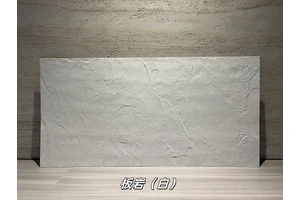
White Limestone Flexible Stone
White Limestone is a flexible stone in the Limestone and Natural Stone series...
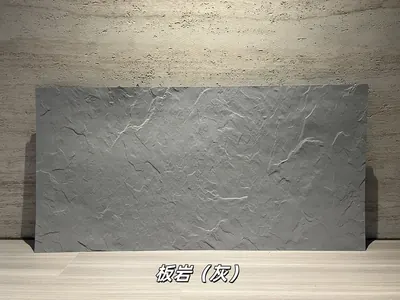
Grey Slate Flexible Stone
Grey Slate is a flexible stone with neutral gray tones, natural stratificatio...
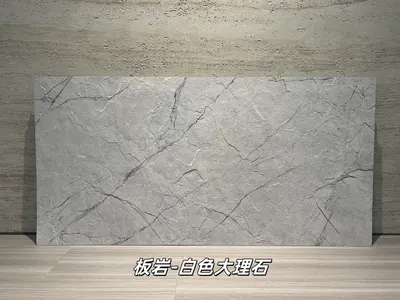
Flexible slabs of white marble rock
Extending from the light gray white stone base color to the dark gray marble ...
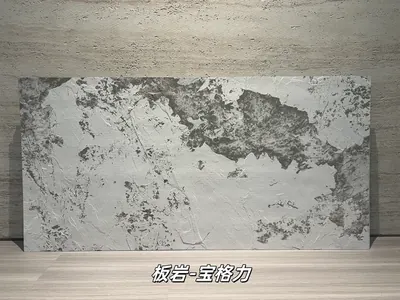
打印板岩宝格力柔性石材
浅灰白基底与深灰黑色斑驳纹理形成强烈对比,画面具有抽象矿物感和艺术张力,适合酒店大堂、精品商业及特色餐饮墙面。本页给出规格与包装参数、材质与性能、施工做法...
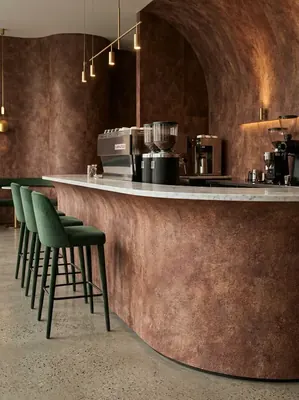
Coffee and tea drinks 220㎡ (sandstone texture) wall construction case
IGOODS provided flexible stone (sandstone texture) as wall material for a cof...
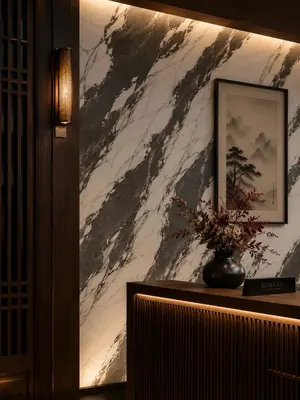
Fusion restaurant 620㎡ printed soft stone (dark base with light veins) wall installation case
The fusion restaurant project is located in Yongchuan District, Chongqing, an...
cases related
Coffee and tea drinks 220㎡ (sandstone texture) wall construction case
IGOODS provided flexible stone (sandstone texture) as...
View cases →
Fusion restaurant 620㎡ printed soft stone (dark base with light veins) wall installation case
The fusion restaurant project is located in Yongchuan...
View cases →